Cannabis Bonds Can Solve New York’s Billion-Dollar Social Equity Problem (Op-Ed)

“It’s time to leverage our financial expertise to enhance social and economic equity throughout our state for today’s entrepreneurs and those that will follow.”

Diversity and access to capital are the most significant policy challenges facing New York’s adult-use cannabis market. The Marijuana Regulation and Tax Act (MRTA), along with Governor Kathy Hochul’s (D) newly announced Seeding Opportunity Initiative, takes steps to address both of these issues. Specifically, MRTA establishes an ambitious goal of awarding 50 percent of all adult-use licenses to social and economic equity applicants and commits to support these businesses with loans, priority licensing and other means such as incubator programs.

Ari Hoffnung, CEO of Bridge West Consulting

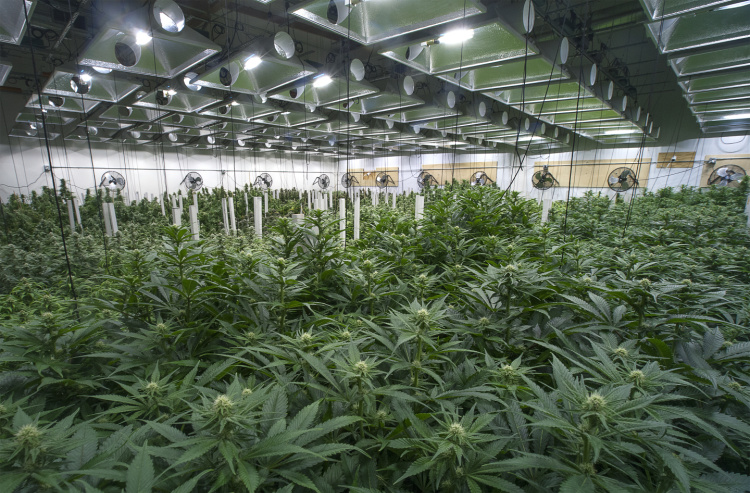
Notwithstanding these groundbreaking commitments, New York’s social and economic equity entrepreneurs will collectively require more than $1 billion of startup capital. To be clear, the $1 billion price tag is a conservative estimate. Launching a cannabis business is an expensive endeavor. In fact, opening a dispensary requires somewhere between $1-2 million; launching and operating an indoor cultivation facility (with 5,000 square feet of flowering canopy) requires around $5 million in capital. Assuming the state awards 250 to 500 dispensary licenses and 100 to 200 cultivation licenses to social equity applicants, it’s easy to see how the aggregate capital requirement will exceed $1 billion. 

Read the full article on Marijuana Moment

Connecticut Adult Use Cannabis: Retail Sales By 2023?

connecticut cannabis

When we last reported on Connecticut’s adult-use cannabis regulations, Governor Ned Lamont had only recently signed S.B. 1201, making Connecticut the nation’s 19th state to embrace full marijuana legalization. Since then, the pace of preparations—including those for retail sales, which may begin as soon as the end of 2022—has only ramped up. As it stands, Connecticut may even beat neighboring New York’s highly anticipated, adult-use program to market.

What’s in store for the state’s legal cannabis program and where does the license application process stand? Here’s what Connecticut cannabusiness hopefuls know.

connecticut cannabis

CT Marijuana Update: The Race to Market, With a Focus on Social Equity

In an effort to craft a regional approach to adult-use cannabis, New York, New Jersey, Pennsylvania, and Connecticut coordinated their efforts towards full marijuana legalization. Since then, Connecticut also took matters into its own hands—especially when it came to the issue of social equity in cannabis.

As we reported in 2021, the state made it clear that at least half of all Connecticut cannabis business licenses would be allocated to applicants who met the state’s social equity criteria. But some details remained to be worked out, leading to a request from the state’s Social Equity Council for a 30-day extension of the deadline for the licensing process. Adding to the delay, some of the Council’s early policies—such as caps on annual income for social equity license applicants—proved controversial.

In addition to this 50% goal regarding social-equity initiatives, state law permits the creation of “hybrid”—that is, medical and adult-use—production and retail facilities through a fee-based system, currently set at $3 million for producers and $1 million for dispensaries. These fee minimums are halved for existing businesses, provided the formerly medical-only business partners with a social equity business.

Finally, Connecticut instituted two lotteries for license applications. The first one awards licenses to approved social equity applicants. The second is designed to serve unsuccessful social equity applicants, as well as all applicants not designated as such. The goal of the lottery system is to avoid forcing applicants to pay large and nonrefundable fees, even if their applications are ultimately unsuccessful.

connecticut cannabis

CT Marijuana Legalization: License Applications Begin

Aforementioned complaints with the Social Equity Council aside, the state officially began accepting cannabis license applications in early February of 2022. As of that date, the approved application categories included:

  • Lottery applications for adult-use cannabis retailers
  • Non-lottery applications for cultivators located in a disproportionately impacted area (DIA)
  • Equity joint ventures
  • Non-lottery applications for conversion from medical cannabis producer to expanded (i.e. medical and adult-use) producer
  • Non-lottery applications for conversion from medical cannabis dispensary to hybrid (i.e. medical and adult-use) retailer

CT Marijuana Legalization: Leveraging Experience and Expertise for Your Enterprise

Connecticut processes cannabis business license applications through the Department of Consumer Protection (DPA). As of this writing, the department hasn’t determined the total number of licenses the state will issue in each category. This means that all applicants must—in addition to being familiar with the regulatory framework—be highly focused on the type of license they’re pursuing.

The launch of full CT marijuana legalization represents a very special opportunity for entrepreneurs able to correctly position themselves. Are you one of them? Since 2009, Bridge West has helped more than 400 license holders find their path to success. If you’re ready to join this fast-moving and exciting moment in cannabis history, we’d love to help you achieve your dreams. Reach out anytime.

Opportunities in the Mississippi Medical Cannabis Market

mississippi cannabis

Wait a moment. Is marijuana legal in Mississippi now?

If you need any further proof as to how completely cannabis is permeating the American mainstream, look no further than Mississippi. As one of the most politically conservative states, it was considered a staunch and safe holdout against legal cannabis.

That is, until early February, 2022, when Republican Governor Tate Reeves signed into law a piece of legislation creating a Mississippi medical marijuana program. The bill goes into effect immediately, making Mississippi the 37th state to join the medical cannabis states.

What does this mean in terms of cannabis business licenses in The Magnolia State? We’ll share what we know so far, including pointers on how to best position yourself to win a spot in what’s sure to be a hotly-contested field.

mississippi cannabis

Is Marijuana Legal in Mississippi? A (Not-So) Sudden Shift in the Landscape

Governor Reeves’ signing of the medical marijuana bill was a major milestone and the legislation’s instantaneous effect might make it feel like a sudden shock. But as with all such shifts, the groundwork was laid long ago. If you follow Mississippi medical marijuana news, you’ll remember that voters there approved a medical cannabis bill back in November, 2020. That legislation would have allowed patients registered with the state to purchase up to 5 ounces of cannabis a month. But just six months later, the state Supreme Court invalidated the ballot measure on procedural and technical grounds.

By comparison, the new bill—SB2095—permits registered cannabis patients to purchase up to 3.5 grams a day, six days a week. That totals up to roughly 3 ounces a month—a change in keeping with legislators’ stated goal of limiting the amount of available cannabis. In a statement on the law, Governor Reeves writes: “There will be hundreds of millions of fewer joints on the streets because of this improvement.”

It’s a sentiment very much in keeping with Mississippi authorities’ skeptical view on cannabis as a whole and it’s a strong signal to proponents of adult-use cannabis. In the same statement, Governor Reeves wrote: “There are also those who really want a recreational marijuana program that could lead to more people smoking and less people working, with all the societal and family ills that that brings.”

According to a report recently released by Leafly, the legal cannabis industry currently supports nearly half a million American jobs, having more than doubled in size in the last three years.

Of course, Mississippi’s entrance into the community of medical marijuana states necessitates the creation of a regulatory framework. That means setting up state departments to administer and oversee the licensing, inspection, and revenue collection processes, just for a start. Let’s delve into what’s currently known on that front, based on information the state has made available plus our team’s experience in other legal cannabis markets.

mississippi cannabis

Steps to Opening a Mississippi Dispensary: The Regulatory Landscape

While Mississippi hasn’t yet announced a date for retail sales to begin—and it’s clear that much groundwork still remains to be laid—the pieces are already in motion.

As per the state’s medical marijuana legislation, the Mississippi State Department of Health (MSDH) will begin accepting online license applications for relevant businesses (and the patients they’ll serve) by June, 2022. Once that’s underway, business applicants can expect a 30-day turnaround time.

For patients, the process is slated to take no more than five days. When do Mississippi dispensary sales actually begin? At present, the Department anticipates that “products will become available to patients in late 2022.”

Mississippi Cannabis Business Types

As with all legal cannabis markets, Mississippi law allows for a variety of cannabis businesses, with corresponding license types. Few surprises there, with the possible exception of a “Cannabis Waste Disposal Entity” classification, which is something of an outlier among legal cannabis states. At present, the Department is charged with licensing the following business types:

  • Patients
  • Medical Practitioners
  • Cultivation Facilities
  • Processing Facilities
  • Testing Facilities
  • Waste Disposal Entities
  • Transportation Entities

mississippi cannabis

Mississippi Medical Marijuana License Options

Any business entity planning to apply for a Mississippi medical marijuana license must first register with the Secretary of State’s Office and select an appropriate North American Industry Classification System (NAICS) code. For instance, code 111419 corresponds to “Other Food Crops Grown Under Cover” because Mississippi’s medical marijuana law specifies that only cannabis grown indoors is legal for sale.

The list of approved NAICS codes is:

  • 424590: Other Farm Product Raw Material Merchant Wholesalers
  • 453998: All Other Miscellaneous Store Retailers (except Tobacco Stores)
  • 111998: All Other Miscellaneous Crop Farming
  • 111419: Other Food Crops Grown Under Cover

You’ll notice that an important class of cannabis business isn’t included in the list above. Mississippi dispensary license applications will be handled by the Mississippi Department of Revenue. As of this writing, the Department hasn’t yet announced the specifications and parameters of its licensing procedures. We’ll be sharing that important information as it becomes available.

Leveraging Experience and Expertise to Navigate Mississippi’s Medical Marijuana Program

The launch of the Mississippi medical marijuana program represents a very special opportunity for entrepreneurs. Because the legal cannabis industry is fast-moving and dynamic, nimble business skills and the ability to adapt to changing conditions are both valuable assets. It’s much easier to have this dynamism with a team of experts behind you.

Take this quick use case: In Mississippi, the ink on Bill SB2095 was hardly dry before the Tennessee Valley Authority—a major federally owned electrical utility—announced it may suspend service to jurisdictions where state-licensed businesses cultivate, process, or sell medical cannabis.

Curveballs like this happen in cannabis frequently. Partnering with an experienced guide such as Bridge West is a must, especially during this first phase of the licensing process. Our experience assisting prospective applicants in other medical cannabis states gives us field-tested, industry-specific knowledge about the intricacies of negotiating (often convoluted) licensing processes.

Drawing on our knowledge of Mississippi’s regulatory and business environment, Bridge West guides our clients through all the necessary steps and potential hurdles.

Are you ready to get in business in Mississippi? Since 2009, Bridge West has helped more than 400 businesses secure licenses and find their path to success across the US. If you’re ready to join this fast-moving and exciting moment in cannabis history, we’d love to help you achieve your dreams. Reach out anytime.

Cannabis Dispensary Tech: Popular Cannabis Software Solutions

how to open a dispensary

If you’re planning to enter the cannabis industry, here’s something you’ll need to focus on: Researching and implementing the best cannabis software solutions possible. Cutting-edge point-of-sale (POS) and register solutions are becoming a more common sight in the retail world, but they aren’t an optional upgrade for marijuana dispensaries. For dispensaries, this technology is absolutely a vital piece of equipment—as essential as your physical storefront and the products you fill it with.

If terms like “METRC” and “seed to sale” are new to you, today’s post will help you get oriented. A survey of some of the most popular and best cannabis software solutions, it’s designed to provide you with options, ideas, and a solid grounding in the implementation of these essential pieces of the cannabis industry puzzle.


How to Open a Dispensary: Tracking From Seed to Sale

These days, it’s rare—but not unheard of—to encounter an old-fashioned cash register in a café or boutique. In the cannabis world, which requires stringent tracking and tracing of products at every single touchpoint, that doesn’t fly. It’s functionally and legally mandatory to track sales accurately and closely.

Because the cannabis industry in the United States is still very much a state-by-state affair, there are a number of competing seed-to-sale and POS solutions. Here’s an introduction to a few of the most prominent options.

METRC: In the world of seed-to-sale tracking and compliance, METRC is an undisputed giant. METRC, in use by no fewer than 15 states—including California, the world’s largest legal cannabis market, is short for “Marijuana Enforcement Tracking Reporting Compliance.” As such, METRC isn’t a POS system but an overarching end-to-end tracking solution that in turn interfaces with various POS platforms.

This raises an important point: Whichever POS you end up using, it will have to integrate seamlessly with your state-mandated tracking plan. Given its ubiquity, there’s a fair chance it’s METRC.

Flowhub: With a focus on POS, inventory management, ID verification, and dispensary analytics, Flowhub is another heavy hitter in the retail cannabis world. Though the company only began processing retail sales in 2016, it has risen to prominence quickly. By the end of 2021, high-profile partnerships with Shawn “Jay-Z” Carter and others had brought the company’s valuation to over $200 million. If you’re shopping for a cannabis software solution, Flowhub will probably land among your considerations.

BioTrack: With an enviable position as the only vertical seed-to-sale cannabis software that’s fully integrated with METRC in every state that employs the platform, BioTrack is another comprehensive option, not only for retailers but for cultivators, processors, and other operators. If you’re operating in a vertically integrated environment, BioTrack is one of the strongest contenders in the field.

Leaf Logix: Another comprehensive seed-to-sale solution, Leaf Logix self-describes itself as the industry’s only native platform that services all cannabis business types. Able to serve cultivators, processors, distributors, and marijuana dispensaries with equal depth, Leaf Logix’s platform also provides accounting and financial support. Take note, as this is a potentially important factor given the challenges many cannabis businesses face when it comes to accessing basic financial services.

MJ Freeway: Like most of the platforms we’ve named here, MJ Freeway prides itself on providing legally-compliant software solutions for several types of cannabis businesses. In the case of MJ Freeway, this includes delivery—an important facet of the industry that’s only grown since the advent of COVID-19. With the capability to set schedules and draft delivery routes, MJ Freeway offers a powerful partner for cannabis businesses that are on the go.

How to Open a Dispensary: ECommerce Solutions

While POS solutions for in-person transactions are an essential part of the equation, there’s also the large (and growing) segment of e-commerce sales to consider. The following companies are among the leaders in this vital segment of the cannabis universe.

I Heart Jane: Described as a “fully integrated, turnkey” solution for e-commerce, I Heart Jane offers a flexible and intuitive platform for customers and retailers alike. As recent trends illustrate, the ability to support touchless or remote transactions is seen as a major upside for retailers looking to acquire and retain customers.

Dutchie: With a platform functionally similar to I Heart Jane’s, this Oregon-based software company offers easily scalable solutions designed to work within single-location, multi-state, or vertically integrated environments. Regardless of the setting, Dutchie’s interface remains sleek, intuitive, and flexible.

how to open a dispensary 2

How to Open a Dispensary: Loyalty Counts

Earning (and retaining) customer loyalty is a big deal in retail, and nowhere more so than in the realm of marijuana dispensaries. Here are a couple of software platforms designed to help you manage and leverage this hugely important factor in setting up your business for success.

springbig: With a stated goal of helping cannabis dispensaries and brands stand out and gain traction, this provider of marketing software focuses on increasing retention, boosting sales, and building loyalty among cannabis consumers. This is no easy feat in a fast-moving and highly fluid industry, but springbig delivers. The springbig platform includes customer relationship management (CRM) software designed solely for the cannabis industry.

TokeIn: Another cannabis-specific CRM system, TokeIn offers retailers flexible tools such as customizable loyalty and rewards programs. Relying on lightweight and highly effective SMS marketing, among other tools, the platform allows clients to easily track and manage this vital point of contact with their customers.

How to Open a Dispensary: Moving Beyond Cash

For any customer-facing enterprise, this is where the rubber hits the road: Payment. While marijuana dispensaries have historically had few (if any) options beyond cash, that’s changing—slowly. Here are a couple of the leading options.

Cannapay: Given how underserved the cannabis industry remains when it comes to financial services, Cannapay’s breadth of services come as very welcome news. Offering everything from standard credit card payment options, branded reloadable cards and even armored car pickup for the cash payments still prevalent in the industry, this Washington-based company functions as something of a one-stop shop for cannabis retailers.

CanPay: This platform allows consumers to use their debit cards securely to make purchases. While late and overdraft fees have earned some former customers’ ire, CanPay still stands as one of the very few practical alternatives to cash transactions in the industry.

How to Open a Dispensary: In Conclusion

With the number and scope of software platforms for marijuana dispensaries only growing, we hope this survey of some of the leading options provides some clarity.

If you’re preparing to enter the cannabis industry, we’d like to offer something more: Expert guidance and counsel. Since 2009, Bridge West has helped more than 400 current cannabis business license holders all across the United States navigate the daunting array of rules, regulations, and pitfalls when applying for and securing a license. Reach out; we’d love to talk.

Can I Launch a Cannabis Business in NY with a Criminal Record?

Can you work at a dispensary with a criminal record

We’ve written before about the rollout of New York marijuana legalization, and how the state is working to encourage participation in the cannabis industry by populations who have been unduly affected by the War on Drugs. Herein lies a paradox. Because some would-be entrepreneurs have had personal, negative interactions with the justice system, many of them wonder: Can you work at a dispensary with a criminal record?

In today’s post, we’ll explore this question, as well as provide background on New York marijuana legalization as a whole. If you’re looking to enter the New York cannabis market, this is important information you’ll want to have at the ready.

Can you work at a dispensary with a criminal record 1

How to Open a Dispensary: Equity in New York Cannabis

The Empire State’s Marihuana Regulation & Taxation Act (MRTA) is notable for putting social equity front and center. With a mandate to promote racial, ethnic, and gender diversity when issuing cannabis licenses, advocates hope the program will have a positive, lasting, and galvanizing effect for historically marginalized license applicants.

To that end, the state stipulates that preference will be given to social and economic equity applicants, with a goal of 50% of licenses going to such applicants. These “Social and Economic Equity” applicants will be entitled to such benefits as fee waivers or reductions, access to low-interest or interest-free loans, and no-cost counseling services such as small business coaching and financial planning.

What’s more, these special dispensations are designed to prevent they’re being used as a “back door” for non-qualifying applications. The law prohibits the sale or transfer of a social equity license for three years after initial licensure unless the license is sold or transferred to another qualified social equity licensee (and the transfer is approved by the CCB).

We should note that, finally, the CCB has demonstrated an interest in maintaining geographic diversity among license holders.

Can a Felon Own a Dispensary? Crucial Questions

What bearing does a prior felony conviction have on participation in or ownership of a cannabis business in New York? While many New Yorkers will enjoy automatic expungement of some types of cannabis-related convictions, the implications on licensing are somewhat different. At present, a cannabis-related conviction automatically disbars the person from working at a medical dispensary.

However, the wording of the MRTA allows for some discretion on the part of the Cannabis Control Board. While mandating that cannabis businesses can’t employ those convicted in the last three years of a felony related to the running of a business, the language notes that “a felony conviction for the sale or possession of drugs, narcotics, or controlled substances is not substantially related” in this regard. In other words, the Board is signaling that—within limits—it’s open to changing the paradigm about prior convictions under a legal rubric acknowledged as discriminatory.

When it comes to ownership of a cannabis business, the Board requires full disclosure of any prior cannabis-related convictions. Again, this doesn’t equal automatic, permanent disqualification. Rather, the implication is that the Board will place any prior convictions in context.

Can you work at a dispensary with a criminal record 2

New York Marijuana Legalization: In Conclusion  

While the wording of the state’s licensing requirements may present something of a gray area, there’s no reason to leave yourself in the dark.

If you’re committed to securing a NY cannabis license, we’re here to help. Since 2009, Bridge West has helped more than 400 license holders all across the United States navigate the daunting array of rules, regulations, and pitfalls around applying for and securing a cannabis license. Reach out; we’d love to talk.

Which NY Cities Ban Dispensaries or Consumption Lounges?

Marijuana legalization NY

When then-governor Andrew Cuomo signed the legislation bringing New York into the fold of legal marijuana states, the Empire State instantly leapt to the forefront of the national marijuana reform groundswell. In addition to establishing two governing bodies—the Cannabis Control Board (CCB) and the Office of Cannabis Management (OCM)—the Marijuana Regulation and Taxation Act (MRTA) also included an important provision. Even if it might run contrary to the trend towards marijuana legalization, NY municipalities were permitted to bar dispensaries and onsite consumption lounges from operating within their jurisdictions. The deadline for municipalities to opt out was December 31, 2021.

Now that we know which municipalities have opted out, it’s time to ask what this means for cannabis entrepreneurs (and for NYS marijuana in general). Here’s what we know thus far.

NY dispensary

Marijuana Legalized in NY: Pros and Cons for Municipalities

Because the MRTA is a state bill, by default all NY municipalities were opted into the regulated market. And the fine print contained an incentive for them to remain so: Of the 13% tax established by passage of the MRTA, 4% is split between counties and their constituent municipalities. Given that the state is projected to generate some $245 million in revenue by 2024, that bodes well for those who elected to license retail sales and consumption lounges.

It’s important to note that even those municipalities which barred retail sales and consumption lounges aren’t allowed to prohibit all cannabis possession and use. Nor are they able to prohibit legal cultivation and processing facilities from operating within their jurisdictions.

The opt-out provision wasn’t particularly controversial in and of itself. Other legal marijuana states—including neighboring New Jersey—have seen municipalities decline legal cannabis using such a provision. Still, in a recent poll, New Yorkers responded nearly two to one in favor of adult use of cannabis.

NY dispensary

NYS Marijuana: Slow Rules Rollout Causing a Ripple Effect?

As of this writing, the tally reflects a whopping 46% of NYS municipalities opted out of retail sales, with even more declining to license consumption lounges. Some analysts believe that the slow pace of appointments to the aforementioned state offices—the CCB and OCM—contributed to the hesitant mood.

Some analysts suggest the high number of opt outs is a reflection of municipalities wanting to retain control over crafting their own local rules. That said, several local lawmakers point to the state offices’ dearth of guidance on licensing and other requirements for cannabis businesses. Lacking more complete information, these governing bodies were reluctant to accommodate dispensaries and onsite consumption lounges they might later want to ban, a sentiment echoed by many citizens in public hearings on the matter.

On a more hopeful note, the state’s opt-out deadline wasn’t the final chance for municipalities to vote thumbs-up or thumbs-down on marijuana legalization. NY law allows for them to reverse their decision at a later date—a possibility we hope will entice skeptical local governments to reconsider their decisions soon.

Reach out to the leaders of your local municipality if you’d like your perspective cannabis business inclusion considered.

NY dispensary

Marijuana Legalized NY: Understanding the Playing Field

Learning which municipalities have opted out of licensing dispensaries and onsite cannabis consumption lounges is an important facet of understanding the New York cannabis industry, but it’s certainly not the only one. That’s why partnering with an experienced guide such as Bridge West is a must in this dynamic and fast-moving industry.

We draw on our deep knowledge of New York’s regulatory and business environment to guide our clients through all applicable state and local rules and regulations. Are you ready to fuel your business plans? Let’s talk.

The State of Cannabis Consumption Lounges in the US

cannabis lounge

Since legalizing cannabis, several states and Washington DC have noticed an increase in cannabis-related arrests. However, these arrested aren’t for possession of cannabis; the increase in arrests are mostly for consuming cannabis in public spaces where consumption is not allowed.

The reality of it is that some people, particularly in urban areas, simply can’t consume cannabis at home—whether due to rental regulations or lack of outdoor space, and must instead resort to consuming it in public places. One possible solution to this problem is the legalization of more cannabis lounges.

What is a Cannabis Lounge?

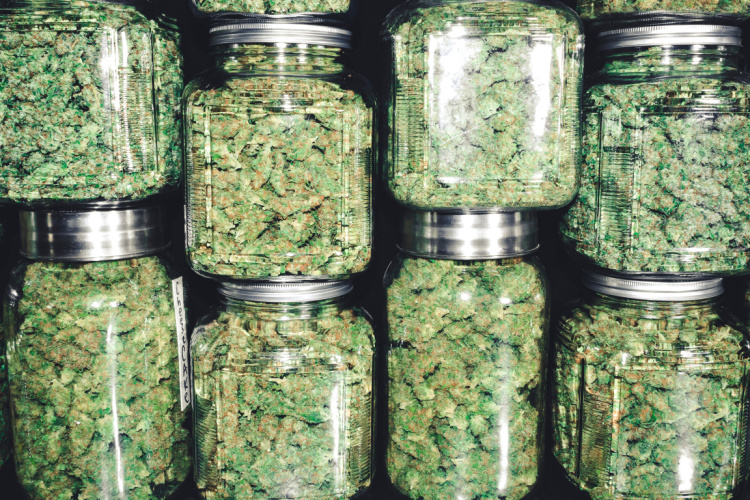
As their name implies, cannabis lounges, also known as cannabis consumption lounges, are public establishments where people can freely consume cannabis. Sometimes also known as cannabis cafes, these places allow people to bring their own cannabis inside to enjoy by themselves or with others, and may even sell certain cannabis products to visitors.

Lounges allow people to enjoy a social cannabis experience, and provide them with a safe place to smoke or vape cannabis products. Cannabis consumption lounges have become cannabis tourism hotspots, making it easier for cannabis tourists visiting places that prohibit public smoking to enjoy the herb without worry.

Consumption lounges may differ in what they offer customers. Some may offer food and non-alcoholic drinks, others may offer certain kinds of THC items, while others may offer nothing more than a place to consume your cannabis. Some cannabis lounges may even double as dispensaries, providing visitors with a large selection of cannabis products to enjoy during their stay. What a cannabis lounge can or can not offer mostly depends on the state it is located in and the legal operating framework that state has put forward for these establishments.

One important thing to remember is that no matter what state you’re in, you will have to be of legal cannabis purchasing age in order to enter a lounge. However, that doesn’t always mean recreational purchasing age. Some consumption lounges may allow people between the ages of 18 and 20 to enter the premises provided they have a medical recommendation for cannabis.
cannabis lounge

Where are Consumption Lounges Legal?

A nice, relaxing spot to enjoy your cannabis sounds pretty great right? But not every state that has legalized cannabis has also legalized consumption lounges. In fact, very few states currently allow these kinds of businesses to operate.

As of 2021, only a few U.S. states have legalized cannabis consumption lounges, and even in those states, local governments can still prohibit the opening of such spaces in their jurisdiction.

Today, you can find cannabis consumption lounges in the states of California, Nevada, New Jersey, Michigan, Illinois, and Colorado. Here’s what you need to know about cannabis lounges in these states.

California

Long-known as a cannabis-friendly state, it’s no surprise that California has decided to allow cannabis lounges. They’re all over the state, but are especially concentrated in southern California. So whether you’re looking for a San Francisco consumption lounge, a West Hollywood consumption lounge, or a consumption lounge Los Angeles residents and tourists can enjoy, you’re likely to find one.

Unlike in other states, California consumption lounges are not permitted to sell food or drinks. Additionally, if you are between the ages of 18 and 21 and are attempting to enter one of these lounges with a medical license, you will also need to show proof of residency, as California law does not allow dispensaries to treat out-of-state visitors who are under 21.

Some well-known California consumption lounges include the Urbana Lounge and the Barbary Coast in San Francisco, and the Original Cannabis Cafe in West Hollywood.

cannabis lounge

Nevada

The huge number of tourists that Nevada attracts makes cannabis lounges seem like a no-brainer. The smell of cannabis along the Vegas strip or in nearby parking garages is a commonly whiffed scent and cannabis lounges are expected to become the go-to places for tourists to enjoy their marijuana.

Nevada lounges are expected to begin opening in the first half of 2022, and are sure to quickly grow throughout the Vegas and Reno areas. If you’re considering a Vegas trip, make sure to stop by a consumption lounge Las Vegas style. Early lounge concepts indicate that Vegas lounges will be much more than just places to consume cannabis, they are likely to also offer food, drink, and entertainment.

The NuWu tasting room became the first legal consumption lounge operating in Las Vegas.

Colorado

Being one of the first states to legalize recreational cannabis, Colorado has been developing its cannabis tourism industry for some time now and you can now find a cannabis lounge in several such lounges around the Denver area.

New Jersey

Depending on the jurisdiction, New Jersey retail dispensaries may also offer their customers an on-site consumption space. For the time being, New Jersey does not allow a cannabis lounge to offer its customers food. It’s strictly a cannabis experience. There are currently no open consumption lounges in New Jersey, but lounges are expected to begin operating in 2022.

Michigan

In the state of Michigan, it’s illegal to purchase and consume cannabis in the same place, so a cannabis lounge will not be able to sell you cannabis. Lounges are expected to quickly pop up in several different cities. For example, the city of Ann Arbor has already claimed that it will allow up to 28 consumption lounges in its jurisdiction. The future seems bright for cannabis lounges in Michigan.
cannabis lounge

Illinois

221 saw the opening of several different cannabis lounges in the state of Illinois. However, if you’re a Chicago resident looking for a marijuana lounge Illinois residents can visit, you may be disappointed to find out that as of late 2021, the city still has still not approved any local cannabis lounges.

The Luna Lounge in Sesser, Illinois became the first legal cannabis consumption lounge operating in the state.

New York

As part of its cannabis legalization agenda, the state of New York is also legalizing cannabis lounges. Individual municipalities have until December 31, 2021 to decide whether or not they will allow the operation of cannabis lounges and other cannabis businesses, with legal lounges expected to appear across the state at some point in late 2022 or, more likely, in 2023.

The Future of Cannabis Lounges

Many people see legal consumption lounges as the logical next step in the cannabis legalization movement. Currently, eighteen U.S. states have legalized recreational cannabis—and though only a handful have legalized consumption lounges, many more are expected to add them in the coming years.

Cannabis lounges are a win-win proposition, minimizing public consumption for the state and providing a safe and comfortable space for cannabis lovers to enjoy their favorite herb. So if you’re looking to enjoy some legal cannabis in a legal state, check your area for a social lounge—it may become one of your favorite places to smoke or consume cannabis around other cannabis aficionados.

Thinking of opening up a San Francisco consumption lounge, West Hollywood consumption lounge, a consumption lounge in Los Angeles, a consumption lounge in Las Vegas, or a consumption lounge in any other area where they have been made legal to operate? Don’t hesitate to reach out to us for a guiding hand to support you with licensing and operations set up.

Social Equity in New York and New Jersey

New York and New Jersey are becoming industry leaders among states that are embracing social equity. New York sees its program as the gold standard for social equity; on paper, so far, this looks promising. The proof, however, is in the implementation. As more states cannabis markets come online and take advantage of the market potential of legalizing cannabis for adult use, each state is working towards a better understanding of how to address the social equity dilemma that has plagued the cannabis industry. New York and New Jersey are both creating unique opportunities for social equity business owners and opportunities to reinvest in their communities that have been most affected by the War on Drugs. So let’s dive into their social equity programs.

Social Equity Programs: Why Are They Necessary?

The cannabis industry has a diversity problem. This problem traces its roots to early legalization initiative attempts to assuage fears about the risks involved in legalizing cannabis. Many of the ownership requirements to pursue a merit-based cannabis license in these early adoption states severely limited opportunities for participation in the industry from the very communities most acutely impacted by the War on Drugs. A few years ago, social equity programs in cannabis in states like Illinois began in earnest once it became clear that maturing markets lacked diversity and primarily attracted ownership that already had capital readily available to risk in the emerging industry.

Critics have argued that early attempts at social equity did not go far enough and could be abused by having token diversity ownership or hires. These criticisms have led states like New Jersey and New York to address the social equity problem within the cannabis industry and within the states themselves. The states of New York and New Jersey hope their programs address the following:

  • The barriers to entry that exist, such as:
    • Drug-related convictions,
    • Lack of availability of financing,
    • The cost prohibitiveness of cannabis business banking,
    • Lack of business resources to navigate the licensing process,
  • The damage that has been done to communities because of unequal enforcement of cannabis drug laws, and
  • Access to the process of expungement of criminal records that have recently prevented many from joining the state-legal cannabis industry.


How New York and New Jersey Compare:

Expungement 

New York and New Jersey have both implemented automatic expungement. Unlike previous states that required persons with a drug-related criminal record to apply to have their records expunged, both of these states have chosen to make this automatic. This eliminates both a financial and procedural hurdle that has made similar expungement programs challenging to navigate.

Community Reinvestment

Both New York and New Jersey will direct a percentage of adult-use cannabis tax revenue toward community programs. New Jersey has opted to have 70% of tax revenues from retail sales to be used for grants, loans, reimbursement of expenses, and other financial assistance in municipalities defined as impact zones. New York, however, is proposing to set aside approximately $100 million for social equity purposes over four years, roughly 28.5% of anticipated revenue generated.

Licensing Priorities

New York and New Jersey have set goals for the number of licenses issued to qualifying social and economic equity applicants. New York’s goal is to award 50% of adult-use cannabis licenses to social and economic equity applicants ensuring the inclusion of women-owned businesses, individuals from communities disproportionately impacted by the enforcement of cannabis prohibition, minority-owned businesses, combination minority and women-owned businesses, distressed farmers, and service-disabled veterans. New Jersey has established the microbusiness license as an opportunity for small businesses with fewer than ten employees, and 51% of the owners, directors, officers or employees reside in the town or neighboring town where the business will operate. In addition, 30% of recreational licenses are to be women-owned businesses awarded to minority-owned businesses and disabled veteran-owned businesses.

Where New York and New Jersey Differ

New Jersey will be quicker to implement regulations and start awarding business licenses, while New York has not fully defined their regulations at this time and will not have a merit-based cannabis license period at the moment. New Jersey also has a conditional permit application that will allow for businesses to begin building and preparing for conversion to a full cannabis business license within 120 days. The licensing fees in New Jersey are also significantly lower than other states, and New York has established an office specifically for ensuring social and economic equity goals are met in the state.

Opportunities

New York’s anticipated rollout affords potential businesses with an opportunity to pull all of their application resources together refine them to submit a successful application. New Jersey presents a more immediate opportunity where the licensing fees are significantly lower for applications and for the business license. New Jersey’s rules and regulations were released at the end of August 2021. Those looking to take advantage of the opportunities presented in either of these two states are highly encouraged to seek consultants the services of experienced and accounting firms who know how to navigate the application, start-up, and ultimately opening and running phases of successful cannabis businesses.

We Can Help.

If you own a cannabis business or are thinking about starting a cannabis business, we’d like to help. As a partnership of highly skilled and seasoned cannabis industry consultants and advisors, Bridge West Consulting is ready to guide you through this exciting and challenging landscape. Feel free to reach out to us anytime to schedule a consultation.

Meet the Players: Who’s Who on the New Jersey Cannabis Regulatory Commission

new jersey cannabis

With New Jersey preparing to launch its legal cannabis market—one that’s expected to reach a valuation of $1.2 to $1.5 billion by 2023—anticipation is at a fever pitch. Hopeful license applicants are learning about New Jersey cannabis regulations and studying up on the specifics of the state’s social equity and impact zone initiatives. Applicants are busy finalizing their cannabis business plans, connecting with seasoned advisors, and educating themselves on the intricacies of the licensing process.

All of these are essential steps, and they entail a deep dive into the world of regulations, policy initiatives, and statutes. But in today’s post, we’re going to focus our lens on a very human factor: The members of the New Jersey Cannabis Regulatory Commission (CRC). Understanding their backgrounds and their goals for the state’s cannabis industry will help you make better decisions about the license application process, setting you up for lasting success in what’s sure to be a competitive business environment.

new jersey cannabis

Recent Happenings on the New Jersey Cannabis Regulatory Commission

When Governor Phil Murphy signed a package of landmark cannabis bills in February, 2021, he helped usher in a new era for the Garden State. In particular, one of these pieces of legislation—the New Jersey Cannabis Regulatory, Enforcement Assistance, and Marketplace Modernization Act (CREAMM)—sets out the CRC’s principal mandates: To expand the state’s Medicinal Cannabis Program, and to lay the groundwork for the state’s recreational cannabis industry.

Throughout the first half 2021, the CRC met with representatives from the state government, members of the public, cannabis industry experts, and other stakeholders. The Commission’s initial rules, adopted in August of 2021, are effective for up to a year, at which point the CRC may adopt or amend those rules—in accordance with the state’s administrative procedures and regulations.

The rapid adoption of the initial rules was a positive sign. It indicates that the CRC is functioning smoothly despite the tight timeline, though much more remains to be done. As of this post, the CRC hasn’t announced a timeline for New Jersey recreational sales, although CRC Chair Dianna Houenou has gone on record suggesting such sales won’t begin until 2022.

In the interim, you have the opportunity to study the members of the New Jersey Cannabis Regulatory Commission for insights into their background and motivations. Here’s what we know about them, and how their stances might affect the state’s cannabis business licensing process.

new jersey cannabis

CRC Member Backgrounds

The stated goal of the CRC is to “establish and grow a responsible, regulated medicinal and recreational cannabis industry … promoting diversity and inclusion in the industry.” As we’ve reported previously, the focus on social equity is one of the principal distinguishing elements of New Jersey cannabis regulations. To learn a little more about what drives the CRC in this regard, let’s get to know a bit about the individual members of the Commission.

Dianna Houenou, Chair

Appointed by Governor Phil Murphy in 2021, Chairwoman Houenou is no stranger to New Jersey state governance. Having advised the Governor on matters relating to criminal justice, immigrants’ rights, and military and veterans’ affairs, among others, she brings a deep knowledge of many of the issues most crucial to successful implementation of the legal cannabis industry, including the implementation of expungement and other criminal justice reform initiatives.

Prior to advising the state’s government, Chairwoman Houenou was policy Counsel with the New Jersey branch of the American Civil Liberties Union (ACLU-NJ). As such, she helped develop legislative strategies for such issues as reform of the Newark police department, the legalization of cannabis, and the restoration of rights for people on probation and parole.

Sam Delgado, Vice Chair

As the former Vice President for External Affairs for Verizon New Jersey, Vice Chair Delgado brings a wealth of experience in the corporate world to his role in the CRC. As such, he oversaw the company’s relationships with municipal and county entities, emergency management and public policy, customer service, and public relations.

Vice Chair Delgado also brings to the table some 20 years of service as a Marine Corps Reserve Combat Communications Officer. On top of his many other official roles, including co-chairing Newark Mayor Ras Baraka’s “Housing and Economic Development” transition team, Delgado brings nearly unmatched experience in the interface between public, corporate, and governmental realms.

Charles Barker, Commissioner

As Constituent Advocate and Projects Specialist to U.S. Senator Cory Booker for four years, Commissioner Barker oversaw criminal justice reform, technology and innovation, cannabis, and other important policy initiatives. In 2018, he also served as strategic advisor to Anthony Cureton, the first Black sheriff in Bergen County. His appointment came after pressure from the NAACP.

Maria Del Cid-Kosso, Commissioner

Born in Guatemala and raised in New Jersey, Commissioner Del Ci-Kosso’s background gives her insights into the issues facing Black, Latinx, and other underrepresented communities. Prior to being appointed to the CRC by Governor Murphy, Del Cid-Kosso served as the Director of Policy and Legislative Services at the New Jersey Department of Health. As such, she led the state’s strategic communications efforts on COVID-related vaccination efforts. Her involvement in New Jersey politics dates back to 2012, when at the age of 18 she served as a campaign assistant for U.S. Senator Robert Menendez’s re-election bid.

Krista G. Nash, Commissioner

Commissioner Nash has focused much of her career on the issues facing the formerly incarcerated, such as homelessness, substance abuse, and mental health disorders. Most recently, she served with Volunteers of America Delaware Valley as Director of the PROMISE program, which is designed to meet the needs of those exiting the criminal justice system with chronic mental health challenges and needs.

Jeff Brown, Executive Director

As Executive Director of the CRC, Jeff Brown oversees the offices and staff of the Commission, ensuring that the office can regulate New Jersey’s cannabis industry effectively and efficiently. Prior to this, Brown served as the Assistant Commissioner at the New Jersey Department of Health, where he oversaw the Division of Medical Marijuana. Under his leadership, the office tripled the number of dispensaries and expanded service from 17,000 to more than 100,000 patients in a three-year span.

New Jersey Cannabis Regulations: The Groundwork for Success

Learning about the members of the CRC is a valuable facet on the path to understanding the state’s regulatory landscape, but it’s far from the only one. Partnering with an experienced guide such as Bridge West may dramatically increase your chances of success.

Drawing on our deep knowledge of New Jersey’s regulatory and business environment, we guide prospective applicants through the complex rules and regulations involved in securing a cannabis license in the state. And with access to funders, mentors, and other key stakeholders, Bridge West can dramatically increase your chance of success in this fluid, competitive, and fast-moving industry.

Want to learn more? Reach out anytime.

How to Win a Cannabis License in New Jersey as a Diversely Owned Business

Cannabis License

As New Jersey gears up to launch its much-anticipated legal cannabis industry, the Garden State is sending out a clear signal: The state intends to spur diversity in cannabis, and prioritization will be given to those cannabis business license applicants who represent diversely owned businesses. If you’re a woman, a member of an ethnic minority, or a disabled veteran, this presents an opportunity for you to secure a license in what will be a highly competitive arena.

We’ve talked about the cannabis licensing requirements in New Jersey before (we suggest you revisit that article to familiarize yourself with the landscape first). Today, we’ll talk about the ways in which the state plans to incentivize these diversely owned businesses and share some of the ways you can gain a competitive advantage.

Cannabis Licensing Requirements in New Jersey: Identifying Diversely Owned Businesses

Cannabis License 3

The desire to support diversity in cannabis is hardly limited to New Jersey. From coast to coast, many states have dedicated resources and special programs with the goal of bringing underrepresented populations into the legal cannabis industry. But New Jersey’s program—enshrined in the recently-adopted adult-use law—is robust and potentially far-reaching. The state’s Cannabis Regulatory Commission (CRC) earmarked nearly one-third of all cannabis business licenses to diversely owned businesses. At present, 15% of licenses will be awarded to businesses certified by the State of New Jersey as Minority-Owned Businesses, and an additional 15% will go to those with designations as Women-Owned Businesses and Veteran Owned Businesses.

On a technical note, New Jersey defines “diversely owned businesses” as those in which at least 51% of the ownership interest is held by persons who are minorities, women, disabled veterans, or any combination thereof; and the management and daily business operations are controlled by one or more of the minorities who own it. The State has a formal process to apply for these certifications.

Impactful though this stands to be, it’s not the end of the story. In addition to the priority given to minority applicants, the CRC will prioritize applicants with ties to “impact zones”—those municipalities negatively impacted by unemployment, poverty, or past cannabis enforcement activity.

In addition, the CRC—addressing concerns that many current cannabis license holders have out-of-state ownership—will give priority to longtime state residents. The Commission defines these as those people who have resided in New Jersey for at least five years and who hold at least a 5% stake in any entity seeking a cannabis license in New Jersey.

Cannabis Licensing Requirements in New Jersey: Get a Leg Up

As we stated earlier, New Jersey’s focus on diversity in cannabis presents a special opportunity for minorities, women, and disabled veterans. But these attributes on their own aren’t enough to guarantee success when it comes to crafting a winning cannabis business license application. Successful applications will need to demonstrate:

    • Direct experience in the cannabis industry
    • A detailed business plan that includes all pertinent, cannabis-specific aspects—including compliance software and reporting tools
    • Demonstration of financial and managerial competence
    • Environmental-impact plans and sanitation procedures
    • Safety and security procedures, including those for cybersecurity and diversion prevention
    • An emergency management plan, as well as procedures to report adverse events

Whether you represent a diversely owned business or not, Bridge West can dramatically increase your chances of application success. Over the past dozen years, we’ve helped over 400 applicants win cannabis business licenses all across the United States. We guide entrepreneurs through the many rules and regulations involved in securing a cannabis license, and the relationship doesn’t end there. With access to funders, mentors, and other key stakeholders, Bridge West is the partner you need to maximize your chances of success in this fast-moving and competitive industry.

Ready to talk? Reach out anytime.