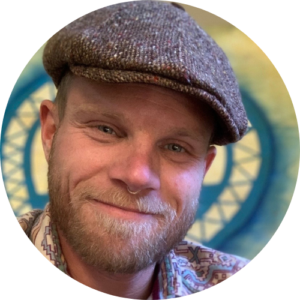
Bridge West Consulting had an opportunity to speak with Professor Dr. Gerald (Gerry) Berkowitz, Professor, Department of Plant Science and Landscape Architecture at UConn. Dr. Berkowitz has dedicated 40+ years focusing on plant biology research and teaching. Over the last five years, the focus of his work has turned to cannabis. In addition to contributing to the development of a cannabis teaching program at UConn, Dr. Berkowitz developed a cannabis research program, and he has an expertise in writing grants related to cannabis research.
Continue readingAsk the Cannabis Expert: Philip Bolen – What was your experience lobbying on the New York medical program?
Bridge West Consulting had an opportunity to speak with Jeffrey Hoffman, Cannabis Attorney, and Founder of the Law Office of Jeffrey Hoffman. It was a pleasure speaking with Jeffrey, and we enjoyed learning about his cannabis industry expertise, his “Ask Me Anything” video series on LinkedIn, and his passion to help those dealing with cannabis convictions. We welcome you to read this ‘Ask the Cannabis Expert’ blog, follow Jeffrey on LinkedIn, and tune into his future live LinkedIn video sessions, ‘Ask Me Anything About Cannabis Legalization in New York.’
Continue readingAsk the Cannabis Expert: Jeffrey Hoffman – Ask Me Anything about Cannabis Legalization in New York
Bridge West Consulting had an opportunity to speak with Jeffrey Hoffman, Cannabis Attorney, and Founder of the Law Office of Jeffrey Hoffman. It was a pleasure speaking with Jeffrey, and we enjoyed learning about his cannabis industry expertise, his “Ask Me Anything” video series on LinkedIn, and his passion to help those dealing with cannabis convictions. We welcome you to read this ‘Ask the Cannabis Expert’ blog, follow Jeffrey on LinkedIn, and tune into his future live LinkedIn video sessions, ‘Ask Me Anything About Cannabis Legalization in New York.’
Continue readingAsk the Cannabis Expert: Katie Neer – What industry challenges do New York cannabis entrepreneurs face, and what best practice advice can you share?
Bridge West Consulting had an opportunity to speak with Katie Neer, General Counsel and VP of Industry Affairs at Lantern, an e-commerce marketplace that facilitates cannabis home delivery. Katie is also Of Counsel at Dickinson & Avella, PLLC, where she advises clients on regulatory matters.
Continue readingAsk the Cannabis Expert – Max Resnik: How does working with an experienced cannabis industry recruiter help operators with staffing challenges?
Bridge West Consulting had an opportunity to speak with Isaac Liebes, Managing Director, Cannabis Consulting GreenLight Energy Conservation, to learn about their services and the ways in which they are assisting cannabis cultivators.
Continue readingAsk the Cannabis Expert – Isaac Liebes: How can cannabis cultivators lower their cost per pound by engaging an energy conservation company?
Bridge West Consulting had an opportunity to speak with Isaac Liebes, Managing Director, Cannabis Consulting GreenLight Energy Conservation, to learn about their services and the ways in which they are assisting cannabis cultivators.
Continue readingAsk the Cannabis Expert – Elliott Rolfe: Will Psychedelics be Regulated like Cannabis?
Recent studies have shown promising results for the use of psychedelics to treat a whole array of mental health issues, including post-traumatic stress disorder (PTSD), depression, and anxiety. Momentum is also growing behind the decriminalization of psychedelics, with several jurisdictions now recognizing that certain psychedelics as the next controlled plants to become legal for medical purposes and making proactive changes to their criminal laws and policies.
We posed the question, “Will psychedelics be regulated like cannabis?” to cannabis and psychedelics expert Elliott Rolfe, Senior Associate and head of the Psychoactive Medicines Law Team at Mackrell.Solicitors in London.
Elliott is well-known for his expertise in the U.K. cannabis and psychedelics industry. He is establishing even greater recognition for the cannabis specialist firm, through the development and growth of Mackrell’s Psychoactive Medicines Team, a legal department dedicated to supporting this exciting new industry.
Here’s Elliott’s response to this important question:
Comparing general regulation for cannabis and psychedelics cannot be accomplished simply. Due to the uniquely complex nature of each sector, answering this question requires a look back at the history of legalized cannabis and the current state of psychedelics.
A New Era in Medicine
Medical cannabis has received a great deal of attention in the last few years. However, as those in the know will tell you, it is only one of a whole collection of psychoactive plant medicines that are set to revolutionize healthcare.
Other psychoactive (or often “psychedelic”) compounds that are undergoing clinical trials worldwide include those derived from mushrooms, truffles, cacti, and naturally derived compounds, such as LSD.
These different psychedelic plants and chemicals have shown a remarkable potential to treat an array of mental health conditions, brain injuries, and inflammatory conditions in an unrivaled way in modern medicine.
An Industry of Many Branches
The initial popularity of “cannabis” in the U.K. was an explosion of non-controlled cannabis extract products, known as CBD products. The CBD industry in the U.K. is eclectic in and of itself, firmly occupying the ‘wellness’ space, which helps relieve daily aches, pains, and stressors, as opposed to treating intractable medical conditions.
Therefore, the CBD industry requires a significantly lesser level of regulation than licensed medicines. This means the barriers to market CBD products are not as expensive, time-consuming, or convoluted (although regulation has increased in recent years). So as long as CBD wellness products like these do not make any ‘medical claims,’ i.e., claiming to treat or cure specific conditions, nor contain any controlled substances, they may continue to enjoy this lighter regulatory oversight and faster path to market.
On the other side of the cannabis sector are the currently rarer cannabis medicines. This complete form of medical cannabis, which can include high-THC cannabis flowers, now comprises products for treating life-altering conditions, such as childhood epilepsy, chemotherapy side effects, and symptoms of multiple sclerosis. Compared to their CBD-product cousins, cannabis medicines are tightly regulated and fall squarely under controlled drugs and pharmaceutical legislation.
Now turning to psychedelics, we will likely see the same wellness versus medical market split. Psychedelics for wellness are available in a small handful of jurisdictions, most notably the Netherlands where psilocybin retreats are intended for personal development (such as creativity, mood, and spiritual growth).
In the main though, psychedelics are being developed as medicines to treat intractable mental health issues and will be marketed as such. Therefore, this side of the industry will be treated in law as fully regulated medicines, subject to the same rigorous controlled drugs and pharmaceutical regime governing medical cannabis.
Medical psychedelics and medical cannabis are unlikely to enjoy the same high-street product availability as the CBD industry, although dispensary and clinic models are being implemented rapidly across the globe. The medical side will however boast far higher safety, quality, and efficacy standards, thanks to the stringent controls on their production, storage, transport, dosing, marketing, and general product development imposed by the national medicines’ regulators.
With psychedelics, however, the regulation might not stop there.
Another Layer to the Puzzle
Curiously, and somewhat unique to psychedelic medicine, and the psychedelic-assisted psychotherapy (“PAP”) world, is the amalgamation of therapy concurrently with ingestion of the medication. The predominant model associated with psychedelic treatment is one where the patient ingests the psychedelic medicine while a psychotherapist is present to guide them through the experience. Then following, the patient attends a series of ‘integration’ sessions with the psychotherapist, where the patient can talk through and make sense of their experience.
One question that arises is whether any additional regulation will be required to safeguard patients in this novel and dynamic context of treatment? Bringing such treatments into the mainstream and combining them in this way may invite commercial participants with less benevolent motivations, add complexity and give rise to additional wellbeing considerations (the likes of which have already been reported during clinical trials).
On the other hand, further regulation may be an extra step in an industry that initially struggled to get off the ground for all the legislative controls. At present, the psychotherapy industry is self-regulated, and there is already a substantial regulatory regime covering the medicines themselves, as discussed above.
Any regulation that benefits both sectors needs to consider the unique setting within which both cannabis and psychedelics operate for their current and potential patients. Unprecedented in the pharmaceutical industry is the presence of these potential medicines that have been used privately, unsupervised, and unlicensed within the national population (for recreation and wellness healing) and have tremendous untapped potential in the medical sphere as well.
Policymakers will need to find a proportionate way of regulating this intricate play between the recreational, wellness, medical, and psychotherapeutic contexts; an approach that protects patient health and awareness while encouraging a less convoluted route for academic research; and one that maintains the potential to legislate for an adult-use market if the evidence and economics support it.
From the outset, it is clear that that regulation will require responsibility distributed across several competent authorities, great discernment in the end products being delivered to patients, and careful, multidisciplinary input from those working closely with these compounds for many years.
About Mackrell.Solicitors
Mackrell.Solicitors is an award-winning, full-service law firm with a truly global reach. Headquartered in Central London, with offices in the heart of Birmingham, the firm has been providing high-quality legal advice and services since 1845.
Mackrell.Solicitors set up the U.K.’s first dedicated cannabis legal department three years ago and are now at the cutting edge of the current cannabis and psychedelics regulatory regimes. The firm provides regulatory, corporate, and commercial advice and services to the CBD wellness, medical cannabis, and psychedelic medicines industries in the U.K., Europe, and beyond. The firm also provides the full suite of legal support through its other departments, including its employment, property, litigation, private client, and corporate and commercial teams.
Ask the Cannabis Expert: Guillermo Bravo, Chief Evangelist, MediaJel – Can Cannabis Companies Advertise Online?
Bridge West Consulting spoke with Guillermo Bravo, Chief Evangelist with MediaJel, to dig into the latest online advertising strategies and tips for cannabis companies.
Continue readingAsk the Cannabis Expert: Matthew Cox, Director at Dutchie – How can a Technology Platform Benefit Cannabis Operators?
Bridge West Consulting had the pleasure of speaking with Matthew Cox, Director of Market and Sales Intelligence at Dutchie. We spoke with Matt to learn more about who Dutchie is, their role as trailblazers in the cannabis industry, and how a technology platform can benefit cannabis operators.
What is Dutchie, and how do you help cannabis business owners?
Dutchie is a technology platform designed for use by the cannabis industry with Point of Sale, eCommerce, payments, and much more. With Dutchie’s technology, cannabis business owners have everything they need to easily run their operations, all in one place.
From point of sale to ecommerce to payments, Dutchie offers user-friendly, integrated solutions to help owners start, operate, and scale with confidence and sell cannabis quickly in-store and online.
What is your background in the company?
Matthew Cox has been with Dutchie since the very beginning. In fact, he was the eighth employee hired in the company about three and a half years ago. Fast forward to the present day, and Dutchie currently has over 600 employees. When Dutchie first launched, they had about 50-100 dispensaries on the platform and solely focused on e-commerce for dispensaries. However, by March 2021, their C-series round of funding allowed Dutchie to merge with LeafLogix Point of Sale (POS) and Green Bits POS, which expanded the company to be entirely vertical. By merging with LeafLogix POS and Green Bits POS, Dutchie was able to serve their customers by offering e-commerce for dispensaries and POS. In addition, since Dutchie is now fully vertical through LeafLogix POS, they cover cultivation, manufacturing, processing, and distribution in integrated payment processing.
Dutchie has grown so much since they first launched in 2017, and they now work with about 5,500 dispensaries throughout North America and Canada. Annually, Dutchie processes about $14 billion in sales through their platform. Throughout the last five years, Dutchie has grown as a platform and dominated the market with its technology.
Matt came to Dutchie because of the brand’s culture. He said, “That’s what it was all about for me. I was able to get to know our Co-Founders, Ross Lipson and Zach Lipson, and some of the other Founding team members. I was just absolutely head-over-heels for their overall emotional intelligence, and I felt really seen when I first started. Based on their high eq, the Founders had a laser focus within their roadmap and vision for the company. Overall, it’s very entrepreneurial and enterprising, and it allows me to have the autonomy to be creative and share my ideas. Dutchie’s culture is that you can be vulnerable and share ideas which sometimes get executed and becomes something really interesting.” Matt expressed that over the past few years, Dutchie has been able to maintain their culture and really grow and evolve. “The culture has only gotten richer since I started, which I didn’t think was possible; even though we’re such a large company, we are still in the dispensary first mentality.”
What kind of cannabis clients does Dutchie serve? Is there a company too big or too small for Dutchie?
Dutchie works with all size companies in the cannabis industry, from small mom and pop shops that are really passionate about the plant, all the way through corporate MSO entities across multiple states. And Dutchie serves everyone in between, which makes Dutchie so versatile in the industry. Dutchie’s recent acquisition in March 2021 has allowed them to really plug and play on the SMB side. “Dutchie is really approachable, especially for front of house and being Apple or iPad based allows dispensaries to plug and play and it makes it really easily for budtenders to navigate. We feel the future of our point of sale must be approachable and applicable for any operators, small to large.”
With two recent mergers, Dutchie inherited technology and new teams. The result was a cauldron of best-in-class technology and created a reality for their retail partners and license holders. Matt explained, “We have been able to make sure that the technology is not an inhibitor for our operators. It is more like a lubricant for their business and helps them succeed and become a lot more efficient in their business, which is always our goal.”
How have you served your clients from big to small to become more efficient through your platform?
Dutchie’s platform functionality is essential to their clients. Too often, technology is an afterthought, or the evaluation of technology can be delayed in the start-up process. Dutchie’s platform is vital to their clients, especially new or prospective license holders who have a large amount of work to navigate in the licensing or application process. Matt shared an objective of his and Dutchie’s, “One of my biggest goals is making sure that we are entering new markets and collaborating with prospective license holders as early as possible so that they don’t have to reinvent the wheel.”
Matt continued, “Working with over 5,500 dispensaries and being in business as long as we have, we have thousands of conversations every day with our customers. It is important to have technology integration initially, and Dutchie likes to collaborate with operators as early as possible. Therefore, operators have a larger pool of partners to choose from earlier in their process. It is crucial because once operators have their license in hand, they may not be able to thrive if they don’t have the right technology in place. Our duty is to make sure cannabis operators are operational.”
Many of Dutchie’s customers that have vertically integrated licenses usually have a retail license and either a cultivation or manufacturing license. Matt said, “One of Dutchie’s strongest attributes is that we can allow our vertically integrated customers to use our platform amongst all their businesses and let everything be transparent.”
What can we expect from Dutchie in the future?
Matt was excited to share that 2022 is expected to be a big year for Dutchie! The company will rebrand and consolidate its technology and services under one umbrella to make it much easier for their partners. He said, “A new hardware that can be woven into something beautiful. Our payment processing roadmaps are really important to us, and we’ve been offering cashless ATM, also known as point-of-banking technology, for a while now. It is integrated directly to the point of sale. This is super valuable because it allows for a larger basket of retailers and keeps cash out of the stores, which is important for safety and security purposes. So, this has been an impactful part of the improvement process.”
In addition, Dutchie is moving into Automated Clearing House (ACH) payment. This facilitates electronic money transfers and automatic payments between banks and financial institutions. Matt shared that Dutchie will be able to offer DutchiePay to their broader customer base. They will first start with eCommerce customers and will follow with brick and mortar. Matt said, “Dutchie pay will be a game-changer and can be an important retailer tool. We are very excited to offer this to our customers.”
Does Dutchie have delivery challenges?
Currently, Dutchie is highly focused on integrating delivery services into its platform. Their engineers are working hard to continue to make their delivery services even better for retailers. They know their 6,000 retail partners very well so they can continue to keep them updated on innovations within the delivery realm. Matt said, “Dynamic deliveries are a huge subject and especially in markets like California, Michigan, and Massachusetts. We’ve been focusing on continuing to make dynamic delivery an easier solution for our retailers. Especially with routing management because it is key to having the best management platforms out there.” Delivery options allow retailers to reach more customers and the ability to offer this service to their retail partners enables them to extend their business further.
Does Dutchie have security integrated into its technology?
Security is vital for any cannabis business, from large cultivations to mom-and-pop shops. Matt explained, “Ensuring that cameras cover all business areas and function properly is essential when taking measures to protect your business. Security issues are involved when you offer delivery services and allow cash payment because the drivers will be traveling with cash on hand, which can undoubtedly prey vulnerabilities. Dutchie also integrates data security into their platform to ensure maximum security measures are in place. Matt said, “We’ve got the best-in-class tools to keep our customers’ data safe.”
What is the best way to learn more about Dutchie?
Dutchie’s website is user-friendly, but for people just entering the cannabis business or for a current operator looking to make a change, one-on-one conversations are essential. Operators can get to know Dutchie and receive all the information they need to be set up for success. The best way for someone to reach out to Dutchie would be to contact someone from the sales team. The inquiry would go to an inbound team so that the customer can be educated on Dutchie’s technology platform. Then the customer would be assigned to the proper account executive, depending on the market duty.
Matt expressed, “I always encourage folks to reach out to us, and we’re happy to help. Whether you have a license in your hands and you’re about to open shop, or you’ve had a cannabis business that has been open for ten years, or if you’re thinking about opening a dispensary. We want to talk to everybody, so we encourage folks to reach out and shoot a message to sales, and we will make sure that you get connected to the right people.” Dutchie ensures that every conversation they have is customized to that specific customer.
Is Dutchie an approachable platform for new users? Is there training and support?
It is important to Dutchie that their platforms are so approachable that somebody new to cannabis or even new to technology will not be overwhelmed. Matt said, “When folks start to become familiar with those platforms and implement them within their business, they start to gain momentum and start to scale their business and open new locations. So it’s approachable for everybody.”
Matt continued, “A huge part of technology is solid customer support behind it. Dutchie’s average response time on the eCommerce side last year was just north of 40 seconds. So, no matter what the question or issue is, there is always going to be somebody on the other line to help, and that is crucial.”
Each account opened through Dutchie has a dedicated customer success manager. They have a large customer support team, and over 600 employees with 150-200 employees solely dedicated to customer support, and another 50+ who focus on engineering. All this combined allows Dutchie to move fast and support their customers in a way that they need to continue to scale.
When it comes to support, Dutchie provides initial training, which is intensive when they onboard customers for the first time. They also provide incredible documentation with libraries of help articles and FAQs. They also have an excellent self-serve model in addition to a dedicated CSM relationship in case any questions or issues arise.
In your free time, do you have any hobbies or interests?
Matthew lives in Oregon and is a father to his nine-year-old daughter. They enjoy outdoor activities as much as possible, especially camping. Matt and his daughter enjoy music and his daughter plays the piano and he plays the flute. Matt also enjoys paddle boarding, trail running, hiking, and fishing.
Matt was also a painter and an illustrator, and he enjoys creative projects. He loves to meditate and is very intrigued with different spiritual practices, and likes to absorb things that resonate with him, and dismiss things that don’t.
We Can Help.
If you own a cannabis business or are thinking about starting a cannabis business, we’d like to help. Bridge West Consulting’s team of highly skilled and seasoned cannabis industry consultants and advisors is ready to guide you through this exciting and challenging landscape. Feel free to reach out to us anytime to schedule a consultation.

Ask the Cannabis Expert: Adam J. Horowitz & Robert M. DiPisa – What are the biggest challenges facing cannabis operators?
Bridge West Consulting had an opportunity to speak with Adam J. Horowitz, Associate Attorney and Robert M. DiPisa, Member and Co-Chair of the firm’s Cannabis Law Group, at Cole Schotz P.C. Cole Schotz is an Am Law 200 firm, that provides legal services throughout the United States from its offices in New Jersey, New York, Delaware, Maryland, Texas, and Florida. They represent hundreds of businesses, large and small, and select individuals. Cole Schotz brings together over 170 attorneys in 15 practice areas.
What is the background on Cole Schotz’s cannabis expertise?
In 2013, Robert M. DiPisa, Member, started practicing in the cannabis space and later launched Cole Schotz’s cannabis niche along with several other attorneys in 2018. Adam J. Horowitz, Associate, began working in the Firm’s cannabis law department in 2020, and assisted with the ramp-up in anticipation of legal cannabis in New York and New Jersey.
Adam’s background is in litigation, and Robert’s expertise is in real estate. Before concentrating his practice on the cannabis industry, Adam focused on commercial litigation and employment law. This background is valuable to cannabis companies that are still in the “start-up” phase as Adam can assist them in establishing employment policies that will reduce the likelihood of litigation or regulatory enforcement down the line, and Adam can help in preparing contracts with suppliers and vendors in ways that avoid the troublesome contract language Adam often has to litigate. As the cannabis industry becomes more mature and established, Adam’s background can help owners navigate any of these issues in the adult-use cannabis market.
Adam comments, “I’m already anticipating helping business owners in the recreational cannabis market with their employment and commercial needs and how that interacts with the stricter regulations for cannabis. This will be especially helpful to cannabis employees since there will be a greater need for more background checks and licensing. I look forward to assisting and supporting those who are new to the cannabis market.”
Cole Schotz’s attorneys are experienced in a wide range of areas within the cannabis industry –including commercial real estate, corporate structuring and capital raises, environmental, intellectual property, taxes, employment matters, and many other areas and services. Adam explains, “Cole Schotz can handle all the needs of any cannabis business from start to finish. This aspect of my job is fun and interesting because I have an opportunity to work with many people I wouldn’t normally work with if I weren’t in the cannabis industry.”
Adam attended law school in Massachusetts, where cannabis legalization happened sooner than in New York and New Jersey. As a result, he had an opportunity to see cannabis legalization in Massachusetts, which is an important and interesting component of his learning experience.
Can you tell us about Cole Schotz’s clients in the cannabis industry?
Cole Schotz has clients all over the country, including Illinois, Florida, applicants in New Jersey, New York, and Massachusetts. The Firm covers a variety of clients in all spaces in the cannabis industry, both plant-touching and plant-adjacent, and of all different sizes, from big to small.
Recently, the Firm has worked in New Jersey with annual and conditional license applicants in cultivation, manufacturing and retail. Conditional licensing is typically limited to the companies or individuals based on income, and annual licensing usually suggests that the business is already well-funded and may be able to start as a larger enterprise.
Cole Schotz also works with multi-state operators (MSOs). The Firm assists these clients with the many industry issues and challenges they experience, from real estate to environmental issues, which have been mainly in New Jersey. The Firm is also working closely with clients seeking licenses in New Jersey and New York, including social equity applicants.
Do you have any ‘Best Practice’ advice to share with cannabis business owners?
Adam explains, “You really want to have your team, including legal and consultants, put together at least six months before applications open if you are looking at being in the first wave of applicants, which I recommend if possible. The Firm recommends this because, in areas like the East Coast, where the recreational cannabis market is developing quickly, there are not many cannabis attorneys in the space who can take on all the work. Cole Schotz personally does not take more work than they can handle so that there is no conflict. Adam continues, “You really want to make sure your team is in place to run the whole process smoothly. If there is an attorney or consultant you really like, you want to make sure you have them on your team to help you throughout the entire process. The best suggested time to start thinking about gathering your team is six months, but we have even had clients who have retained us two years out.”
What do you feel are the biggest challenges facing cannabis operators?
From experience, Adam says there are three significant issues with applicants: real estate, start-up costs, and assembling a team.
Real Estate
Real estate poses a challenge for applicants, especially in New Jersey where municipalities were permitted to ban certain license-types, which greatly reduced the amount of viable real estate. Getting properly zoned real estate for a reasonable price is also a significant issue for applicants. A lot of cultivators and manufacturers are looking for warehouses, which is difficult in New Jersey due to the proximity to New York City and Philadelphia. This puts would-be cannabis operators in competition with non-cannabis businesses, such as Amazon and Walmart, which makes it more difficult for cannabis business owners to find warehouse space. This, combined with property-owners recognizing the value of real estate already zoned for cannabis use, has led to the price spiking in this area, making it much more difficult for those new in the cannabis space to get this commercial real estate property. Adam said, “This is an issue when you have a lot of cannabis clients who are start-ups or entrepreneurs who do not have the funds. This leads into the second major issue I see in the cannabis business, which is start-up costs. Which I think is much more than people realize.”
Start-Up Costs
The application process can cost up to approximately $200,000 to obtain a license. Then, securing the real estate, building a facility, the security, and buying the cannabis inventory to stock up the business. People seem not to realize how expensive regulated cannabis is due to the quality, taxes, and the process of receiving inventory for the store is quite expensive. Many people do not realize the costs of stocking a store before you even open the doors to customers. “Right now, the average retail price of an ounce of legal, medicinal cannabis in New Jersey can be as high as $500,” Adam states. Since the cost of starting a cannabis business is so high, Cole Schotz assists their clients with capital raising and funding. Just because you are low to middle class does not mean that it is unachievable to start a cannabis business. Many entrepreneurs cannot afford to start a cannabis business, and people need to know that there are ways to raise capital to make this possible. “It doesn’t have to be limited to the wealthiest people these days. You are probably going to need investments from people. However, you will still run the company, and there are many ways to get the funds for your business, legally get investors which will also protect you from liability if the company doesn’t work out.”
Assembling a Cannabis Team
Adam said, “You need to have those connections to get up and running and know what’s reasonable contracts and unreasonable. Know who’s experienced in the industry. There are also many opportunities for people to claim their experience in cannabis when they might not be. If you’re not in the industry already, it might be difficult to recognize that.” Cole Schotz provides referrals and recommendations to their clients regarding forming their team. The Firm can assist with those relationships and set up interviews between their clients and the necessary vendors and contractors needed to have a successful cannabis business. It really helps those in the start-up phase have the right team from the beginning. The Firm can negotiate the details for you, write up contracts, and make sure you’re protected throughout the entire process.
How do Cole Schotz’s environmental attorneys service the cannabis industry?
A number of environmental attorneys at Cole Schotz have worked with several cannabis clients, including multi-state operators, (MSOs). Most of their work focuses on environmental regulations, assisting them with environmental compliance, and addressing issues such as complaints from neighbors about the odors. Adam said, “Of course, the environmental law comes more into play when you are currently operating your cannabis business since there are some requirements meant to mitigate those issues before beginning operations. Most issues arise after your business is up and running.”
Do you have any advice to share with investors?
Adam said, “Understand the risk of investing in the cannabis industry. It is a high-risk situation.” You also need to understand the taxes involved in cannabis and how it is regulated to understand your returns. If you are looking to get outside investors, another critical piece of advice is to make sure both parties have their legal sides in order. “You need to do your homework; it’s just like any other investment.”
Do you have any interests and hobbies outside of work?
In his free time, Adam is an avid Star Wars fan, and he loves the New York Mets!
We Can Help.
If you own a cannabis business or are thinking about starting a cannabis business, we’d like to help. Bridge West Consulting’s team of highly skilled and seasoned cannabis industry consultants and advisors is ready to guide you through this exciting and challenging landscape. Feel free to reach out to us anytime to schedule a consultation.