Cannabis Entrepreneur Spotlight: Big Island Grown Jaclyn Moore, CEO, Pharm.D, and Dylan Shropshire, COO, Founder

Cannabis Entrepreneur Spotlight

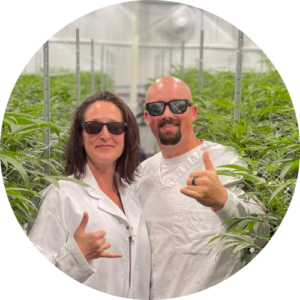
Bridge West Consulting had a great opportunity to speak with Jaclyn Moore, CEO, Pharm D., and Dylan Shropshire, the COO, and Founder of Big Island Grown, the foremost provider of premium medical cannabis in Hawaii.

Where did Big Island Grown get its start?

Dylan Shropshire was born and raised many miles from the beautiful island of Hawaii in Alaska.  He worked closely with his father in the family business called, “The Green Connection,” an interior plant business. Dylan and his father regularly traveled to Hawaii to bring foliage to Alaska to grow and sell on their farm. The plants they bought from Hawaii would last the longest and looked the best. There was a three-year waitlist for plants from Hawaii, and since that was too long, they decided to start their own farm in Hawaii. After years of going back and forth from Alaska to Hawaii, they realized that it would make more sense to sell The Green Connection in Alaska and move the business to Hawaii full-time. Once Dylan graduated college, he returned home to help his father restart the farm after the recession. After the move, they began to farm more than office plants, and their crops included potatoes and ginger. 

Throughout the years, Dylan closely followed the legislation for cannabis dispensaries in Hawaii. In 2015, legislation finally passed through an emergency session on the floor. Dylan knew right away that he needed to do everything he could to focus entirely on the cannabis industry. Hawaii Island had the highest number of medical cannabis patients, and was a very cannabis-oriented community. Dylan saw a huge opportunity to make a difference.

Jaclyn Moore, CEO, Pharm.D, and Dylan Shropshire, COO, Founder

Since a young age, cannabis has been an integral part of Dylan’s life.  Dylan always has been extremely passionate about the medicinal qualities of the plant. A huge inspiration for Dylan’s eagerness to focus on the cannabis industry was his best friend’s traumatic experience when he was 13. His best friend was hit by a tractor and very badly injured, and instead of using pills to help with the pain and suffering, he turned to cannabis. Dylan saw first-hand how well cannabis helped his best friend, and how beneficial it was for patients as an alternative to over-the-counter medication. Dylan had been highly passionate about cannabis from the start and always knew that he wanted to focus his career on the industry. 

Dylan was only 27 when he started in the cannabis industry and there was a lot to learn. Along the way, he learned through trial and error about the best practices to grow and cultivate cannabis. He powered through the tough times while submitting his application and developed a team to help raise the funds needed to make his dream a reality.

Can you tell us about the importance of your location?

Dylan needed to determine the location for his business, and he selected Pepe`ekeo, an old sugarcane town on the Hamakua coast. Dylan chose Pepe`ekeo for a variety of reasons and especially because the town didn’t have many businesses after the sugar cane industry folded and because it boasted a rich agricultural history.  Since there were not a lot of job opportunities for local people, this was an opportunity to revive an amazing agricultural community with great soil.  The farm sits on land that was formerly part of a sugar plantation that had its origins dating all the way back to 1857.

Dylan met his partner Jaclyn Moore, CEO & Pharm. D., during this process too. Jaclyn and Dylan were ideal business partners from the very beginning since Jaclyn is just as passionate about cannabis, the location, and the brand. Dr. Jaclyn brings to the table a plethora of knowledge as a Dr. of Pharmacy and having an intimate knowledge of the local culture she now identifies with. Dr. Moore has been immersed over 15 years with serving the community, and patients in a well-known local Pharmacy.  She stressed how vital the location of the business is to the brand and the culture they were creating for Big Island Grown. They are equally passionate about the unique story that shaped “this genuine connection with the local community” and their location. Dr. Jaclyn and Dylan wanted to bring light into these communities that were struggling to survive after the sugar cane was outsourced and thousands of jobs were lost. Dr. Jaclyn knew they would be a great fit as partners — they were both passionate about reinvigorating their local community, especially since they each live and are raising their own families in the same community.

Dr. Jaclyn expressed pride in how they have added to the local economy in a way that has made Big Island Grown the largest private employer on the Hamakua Coast with over 65 dedicated, passionate employees, who give 100% every day.  “The location of our production center was once home to sugarcane, evolved into the largest banana farm in North America at one time, and is now home to a state of the art cannabis facility.  There has been a rejuvenation of the local area as we’ve expanded, and it is just the beginning.”  Their production facility uses natural infrastructure that was left behind from the sugarcane plantation era. Their hydroelectric system, takes advantage of the natural resources available on this historical and esteemed parcel of land, which enables Big Island Grown to leave a small carbon footprint.   Big island Grown has the ideal natural foundation to be successful growing cannabis while respecting the cultural importance of the location, honoring the past through sustainability.  Their facility rivals any other indoor grow operation, organically separating this “craft” Hawaii cannabis from any other worldwide.

Dylan discussed that due to State of Hawaii laws, they had to grow indoors, even though the environment in Hawaii is optimal for an outdoor grow. This was another factor for this location. They committed to being sustainable in different facets of the business, primarily in hydroelectric and solar electricity. So many obstacles stood in the way when first starting the business. That meant that Dr. Jaclyn and Dylan had to be able to “do every single job within their company.” This concept supports the socially sustainable aspect of the business because only three staff members of their 65 employees relocated from off the island. Everyone they hire is brought into the business because of the skillsets, passion and specialized knowledge they have. 

How did you recruit your staff?

Throughout this process, Dylan and Dr. Jaclyn tried to be incredibly thoughtful in the hiring process by infusing people from the island to perpetuate culture, and establish local resources. They have had some instances where people have moved off of the island because of the lack of opportunities, and actually came back home and now work for Big Island Grown. Now they can sustain a living there with their families. Dylan shared how amazing it has been to watch people he has known come back to the island and work for their company, “All my friends had been leaving the Big Island because there’s no jobs here. That’s the best feeling, when you can actually see someone come back and be able to support a family.” Their main priority is to help this decaying town by bringing back friends to build up the community and make it sustainable again.   

Do you see the number of medical patients you serve increasing in Hawaii? 

As the years go on, the number of medical patients in Hawaii continues to rise. Dylan commented about how if it were easier for residents to get medical cards, the numbers would be a lot higher than they currently are. One challenge for Hawaiian residents is that you cannot have a medical card if you own a gun. Many residents hunt and fish for their food, and if you need medical cannabis, you cannot have both licenses. They are at a time now where the growth curve is starting to flatten as Hawaii becomes closer to legalizing cannabis for recreational use. Big Island Grown began with a very mature and growing number of home-patient customers, such as caregivers and home growers. Until legislation makes more moves in the recreational direction, there will be a flattening of growth in medical patients. 

What are your goals for Big Island Grown?

For this dynamic duo, it is imperative to provide high-quality medicine and affordable products for their patients during the growth of the market on the island and the increase the number of medical patients. The island has some of the lowest income rates in the entire state. People are on fixed incomes and many people who grow for themselves or people who have purchased from the black-market are impressed by the quality of Big Island Grown products.  Customers are always welcomed with Aloha in each of Big Island Grown’s dispensary locations, Hilo, Waimea, and Kona. 

In our retail locations, patient attendants aim to educate and elevate the patient experience.    The biggest challenge is getting the new patients in the door for the first time, after that, Dr. Jaclyn and Dylan let the quality speak for itself. 

What is the vision for Big Island Grown? 

Producing quality cannabis was so important to Dylan and Dr. Jaclyn from the start. “When someone thinks about Hawaii cannabis, we want them to think Big Island Grown.  “People have been growing cannabis on Big Island for generations, and through our breeding program we are taking Hawaiian genetics to the next level.” Their main focus and mission is pioneering an agricultural renaissance that perpetuates the proud legacy of Hawaii farmers through growing and crafting the highest-grade cannabis medicine in the world.    

Can you tell us about your mission for Big Island Grown and your values?

Dylan and Jaclyn explained that the Mission of Big Island Grown is to pioneer an agricultural renaissance that perpetuates the proud legacy of Hawaii farmers through growing and crafting the highest-grade cannabis medicine in the world.

When asked about their values Dylan and Dr. Jaclyn said:

Values are what shape you. They determine your priorities and guide your decisions.  Values keep individuals motivated and teams united. Your values declare what you stand for and define who you are.  At Big Island Grown, this is what we value most.

Integrity – means we are authentic, transparent, and honest in all that we do.

Malama – means we care for nature, our community, and for ourselves.

Innovation – means we are constantly thinking outside the box to improve our craft and our service.

Ho‘omau – means we persist and persevere no matter the obstacle.

Quality – our top priority in everything we do.

What advice do you have for entrepreneurs looking to get into the cannabis industry? 

Dylan says, “The number one thing for me is to pick something you are passionate about because you’re just going to give up if you don’t. It is difficult to start a business and run a business as an entrepreneur. If you don’t wake up in the morning and get excited about what you do, you have no chance. Just because you are going to get ‘punched in the face’ many times, and you need to be able to get back up and love what you do.”  

Dr. Jaclyn said, “You need to have the passion and the love, but you also have to surround yourself with really solid people. The industry is a marriage and delicate balance of cannabis culture meets compliance.  These two worlds collide and it can be quite intense.  Surround yourself with the people who you know are committed and in it with you.”

Is the cannabis license structure in Hawaii similar to any other states?

The license structure is set up like New York or Florida – it’s eight licensees that are vertical. Big Island Grown cannot buy from anyone else, they cannot sell to each other, and it is one of the most conservative programs in the country considering how mature it is. Since the program is formulated this way, they can’t include some members they have as employees.

Can you tell us about the Artists Series? 

The intention of the Cultivating Art series is to highlight and elevate other people in the community with a variety of interpretations, and they dedicated this section of their website to them: Artists Series: Big Island Grown  The idea around this is that they have a print with a cultivar strain, which they will have an artist make an interpretation of this specific strain and give them full reign to do whatever they want for the art. This allows them to promote the artist, and in turn enables Big Island Grown to promote themselves and sell their prints to others in the community.

In addition to the artist spotlight, marketing has a monthly Spotify playlist that they create with local musicians or DJs to enhance the vibe in each dispensary.  

What do you like to do in your free time and for fun? 

The Big Island has 11 of the 13 climate zones of the world – high heat like the jungle to snow like the arctic. Dylan loves to find many incredible spots to explore, and he enjoys hiking, and searching for waterfalls with his drone. These are Dylan’s huge passions, and anything involving music. 

Dr. Jaclyn has two children, an 8 and 6-year-old, who are both home-schooled and extremely active.  She lives off grid with her family on a ranch along with a herd of sheep, chickens, and a donkey.

Cannabis Entrepreneur Spotlight: Josh Hindi, Owner of Dabble Extracts

Cannabis Entrepreneur Spotlight

Bridge West Consulting had an opportunity to speak with Josh Hindi, Owner of Dabble Extracts, an award winning cannabis concentrate company working with a wide variety of clients all over Colorado. They offer a selection of high quality pure concentrates for both medical and recreational marijuana. Dabble Extracts is always working to provide consumers with the most flavorful, most beautiful, and best tasting products on the market. We are proud to spotlight this cannabis entrepreneur!

How did you get the idea or concept for your business?

It was a long time ago! When I was in college in 2008 at the University of Colorado at Colorado Springs, I had a professor, Dr. Robert Melamede, Ph.D., who opened a publicly traded research firm based around cannabis. I attended a lot of his seminars, and I became really interested in the subject of cannabis. 

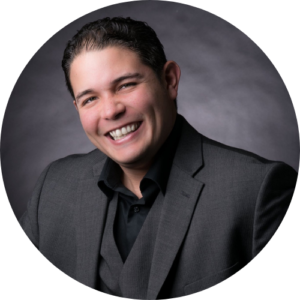
Josh Hindi, Owner of Dabble Extracts

In 2009, I started Caregiver Grow that eventually merged with a dispensary. This was in the early days of the cannabis industry. It didn’t end up working out, so I backed off the industry for a while. I actually ended up working for a large insurance company as a Claims Adjuster, but after a few years, I realized it wasn’t for me and decided to give cannabis another go. Around 2012 – 2013, I applied for my first medical cannabis license, and we got approved to open a marijuana infused products (MIP) facility.

What risks were involved with launching your business?

It was a risk to start a cannabis concentrate company during a time when extraction technologies barely existed. When I opened my facility, the initial goal for the team was to make edibles, but when we entered the scene with the edible lineup, patients responded, “Oh, you’re a Marijuana-Infused Product (MIP) facility and you’re making edibles, but are you guys making concentrates at all?” Wax and oil had just hit the scene, and dab rigs had just started to come out. Although heavy cannabis users were increasingly asking for concentrates, dabbing was pretty revolutionary at this time, even in Colorado and California. I started looking into how concentrates were made commercially, and it seemed incredibly dangerous. People were shoving cannabis into turkey basters, then flooding the basters full of butane, and pouring out what was essentially a giant ‘butane hash slurry.’ I knew there had to be a better way.

There were two closed loop extraction systems on the market at the time. However, since the concept of dabbing was so new, they weren’t being used to create cannabis concentrates. Regulators hadn’t even caught on to this aspect of the industry yet. I studied these systems and pushed to use them for cannabis, and they were the only viable technology I found that could really work to produce clean concentrates. I ended up working with my team to create and define our extraction processes on that equipment, even before it was mandated. Eventually, when closed loop extraction was mandated, we had a bit of a leg-up on the competition.

What different skillsets came into play to launch your business?

I was a business major in college, but once I got the business rolling, I knew the integral role that chemistry played. I was applying the principles of chemistry every single day. I ended up going back to school to retake college chemistry classes. I’m not a certified chemist, but understanding the science and applying it to the cannabis industry has helped immensely.

We leaned on our diverse business and chemical skills to narrow down and hone our extraction process. As an example, we evaluated different processes, such as the hydrocarbon process, from a deeper level. We understood that even though it makes a good product, it’s easy to leave hydrocarbons inside the product, and inhaling hydrocarbons is potentially dangerous for lung tissue, even at microscopic levels. Without our understanding of chemical processes and properties, we wouldn’t have ultimately landed on creating concentrates through a closed loop extraction system. Our quality level has driven us to success. Not only can a user taste the difference in our products due to our extraction methods, but our products have better effects on users in the long term.

What is unique about your business?

We got into the cannabis industry in the very early days, which gave us a unique perspective and propelled our strong drive to create top-of-the-line products for cannabis patients and recreational users. For example, when we first developed edibles, manufacturers and sellers weren’t dosing their products consistently, and there was no homogeneity testing. This meant that patients couldn’t count on getting the same effect every time. We were motivated to have products that people could consistently count on to treat their symptoms. Similarly, when we first started making concentrates, there was a lack of quality concentrates available and very little best practices or standard operating procedures. We were driven to produce the highest quality oil, wax, and shatter and therefore, we developed our own processes.

Years ago we applied for patents and this year we finally received the first process patent. At that time, the consumer base had limited access to cannabis education, and as a result many patients and customers were largely uneducated on quality cannabis. When I started the business, we were not only entering an untapped market, but also trying to educate our customers. We focused on the values of terpenes and cannabinoids, the risk of contaminated products (pesticides and heavy metals), and the effects of different methods of cannabis use on a person’s lymphatic system.

Dabble Extracts is also unique in that most of our team members have worked together for several years. Our leaders and staff members are all extremely motivated, and we share similar values, which likely contributes to their longevity with the business.

What advice would you give to a cannabis entrepreneur just starting out?

Make sure you have a solid business plan and that you’ve developed your niche.

Know where you want to go and be versatile. If you have your heart set on something, it might not always play out, so it’s vital to be able to pivot when necessary.

You always have to be prepared to overcome obstacles, as change is the only consistent aspect in the cannabis industry, and regulatory updates frequently roll out.

Above all else, listen to your clientele and their feedback.

How does Dabble Extracts get involved in the community?

We donate Thanksgiving meals each year to those in need in our local communities. We also run a Christmas fundraiser each year to provide toys to families. Dabble Extracts also participates in 420 clean-up days to help maintain our beautiful local community. One of our most memorable charitable events was following Hurricane Harvey in Texas. Our team brought supplies to those who had lost their homes. We really enjoy getting involved in philanthropic events, whether it’s locally based or far-reaching.

What’s something that most people don’t know about you?

I’m a big reader. I just started re-reading. “The 7 Habits of Highly Effective People,” and I love reading The Wall Street Journal and The Economist. I’m also an avid comic book fan.

We Can Help.

If you own a cannabis business or are thinking about starting a cannabis business, we’d like to help. As a partnership of highly skilled and seasoned cannabis industry consultants and advisors, Bridge West Consulting is ready to guide you through this exciting and challenging landscape. Feel free to reach out to us anytime to schedule a consultation.

Cannabis Entrepreneur Spotlight: Pam Hemachandra, CMO, and Diprarag Dutta, CFO Herbiculture

Cannabis Entrepreneur Spotlight

Bridge West Consulting had an opportunity to speak with Pam Hemachandra, CMO and Diprarag Dutta, CFO of Herbiculture. We are proud to spotlight this cannabis entrepreneur!

How did you get started in the cannabis industry?

In 2013, Pam Hemachandra was finishing her final year as an exchange student in Japan in a business program. At the same time, Canada was in the process of legalizing medical cannabis. Pam’s dad was the serial entrepreneur in the family and the news about Canada and the cannabis industry caught his attention. 

Pam Hemachandra, CMO, Herbiculture

He wrote a letter saying that he was an entrepreneur and was interested in learning more. After receiving an invitation to Ottawa while the legislation was being drafted, he quickly realized that he needed assistance to pursue a cannabis license. Pam’s father approached her and her sister Venus to ask for help with the application process.

At that time, Pam and Venus were both business professionals and they knew nothing about growing cannabis; however, they approached the new venture as a learning experience. They ‘hit the books’ and learned everything they could about cannabis operations, including the basic principles and best practices of growing cannabis. With so much to learn, they continued to research the industry and educate themselves on ‘all things cannabis’ while applying for their license. With a lot of hard work and perseverance, Pam and her family were among the first in Canada to receive a pre-approved medical cannabis license.

Diprarag Dutta, CFO, Herbiculture

What risks and sacrifices were involved with launching your business?

Pam explained that when she and her family first entered the cannabis industry, it was challenging to be both entrepreneurs and of Southeast Asian descent. 

When Pam, Venus, and their Dad were thinking of a name for their first cannabis company in Canada, they didn’t want the name to sound like a cannabis company. Since cannabis wasn’t fully accepted at that time, they didn’t want the name to convey anything negative. But a few years later when they created Herbiculture, it was a different perspective. Pam explained, “Being in the industry for a little while, we really got to appreciate how medical cannabis benefits patients and we saw many cases where it significantly helped people. When we were thinking of a name for our business, we wanted to incorporate that concept and convey how much culture is really behind cannabis. Unfortunately, this is easily neglected.” Pam continued, “When some people think of cannabis, they think of a stereotypical “stoner” culture. For Herbiculture, from the very beginning, we wanted to change that stigma and create a brand that highlights the amazing things cannabis can do to help people.”

Other family members and friends viewed cannabis as taboo, and there was a big cultural barrier to cross by pursuing a business in the industry. However, they focused on educating themselves to ensure they understood the business and the various growing, extraction, and retail processes, every step of the way. Pam wanted to deeply understand the true benefits of medical cannabis and she also wanted to help change the stigma behind it.

A few years later, Venus got married and moved to Maryland, where medical cannabis was being legalized. They saw Venus moving to Maryland as an opportunity and a short time later, Pam, Venus, and their dad decided to pursue a Maryland cannabis license. Pam said, “If we’ve done this once and were successful, we can do it again!” They continued to learn more about the industry and received their cannabis dispensary license in Maryland. When their Maryland business was becoming operational, they decided to exit their project in Canada to focus on managing the dispensary in Maryland, which they decided to name Herbiculture.

At the same time, Pam’s husband Dip Dutta was in the process of earning his CPA license and working with hedge funds. Herbiculture was growing steadily, and they needed accounting and financial management assistance. Helping to manage the books was a huge leap of faith for Dip, and it was a big decision to leave his secure job in Toronto to work with Pam and her family. Since it was a family business, Dip was reassured that everyone was in the process of determining their roles and how everyone could benefit from the business. Dip saw this as an opportunity to apply what he learned in school, so he hopped on board.

In 2019, Herbiculture took advantage of an opportunity to apply for the new round of Grower and Processor licenses in Maryland which was focused on giving licenses to minorities.. They ranked #1 for processor and #2 for grower, out of many MSOs that applied. Pam explained, “At that time, it was just me, Venus, Dip, and the rest of our small team that we built from the ground up.” Pam expressed how happy she is to have grown their business to where it is today, and currently they are in the process of wrapping up fundraising and hope to become operational next year. Learning in Maryland has helped them change and shape the market on the East Coast and Canada.

They started from scratch with this entire company, from raising the funds to figuring out the process, making a brand for themselves, and growing. They have worked so hard to become what they are today. Pam says, “We’re still so young even though we’ve been in the industry since 2013, but there’s still so much to learn. It’s exciting to be a part of something new every day and we aren’t really in it for the money at this point. This process has been really rewarding.” Dip comments, “There are not a lot of people who have been in the “legal” cannabis industry for as long as we have. By starting our own business, we learned as we grew and taught ourselves the best way to run our business. The motivation is there definitely, and that’s what really helped to fuel our success.”

How did you select Herbiculture as the name of your company and how is your brand unique?

In the beginning when designing their dispensaries, the Herbiculture team were adamant to invest in making their spaces comfortable for people. They focused on making their dispensaries open, bright, airy, and environments where everyone would feel very comfortable and welcome. 

Dip said, “we wanted a very approachable vibe. We wanted this to be a place where people can learn, and our budtenders educate our patients and customers about cannabis. This is an opportunity for us to educate more people about cannabis.”. By building their company from the ground up and taking on every single role, from owner to receptionist, Pam, Dip and the Herbiculture team was able to see their company from every angle and know what’s important to their customers. Pam said, “It has been really exciting and rewarding for us to build a brand for our customers and for people that need it. Hearing their needs and concerns, while being able to address them, has been really important to us.”

What challenges have you faced while your company has grown and what are your future goals?

Over the years, Pam and Dip have accelerated their business operations and growth. From the beginning, they established big future goals to grow and cultivate cannabis, in addition to operating their retail stores in Canada and Maryland. Growing and cultivating has been a huge jump up from having a single dispensary. Being entrepreneurs, they have always been responsible for every aspect of the business. Growing Herbiculture has made them realize they had to grow their team and share some of the responsibility to grow their company. Pam discussed the importance of finding the right people to fill the roles in their company to keep the Herbiculture culture intact throughout their business. They are currently addressing this challenge due to additional growth and quick changes happening at Herbiculture. Their experiences have taught them to be knowledgeable in the industry and they have a strong desire to change how people view cannabis. To Pam and Dip, it is essential to have the right people with a shared vision on their team.

The future for Herbiculture is to expand throughout the East coast and apply for licenses in the new states that have legalized recreational cannabis, such as New York, New Jersey, and Connecticut. Their goal is to grow their small family business, make it much more substantial and make a mark in the industry on the East coast. Their hope is that as they build the right team, they will only grow bigger and stronger, and be even more successful in achieving their entrepreneurial dreams.

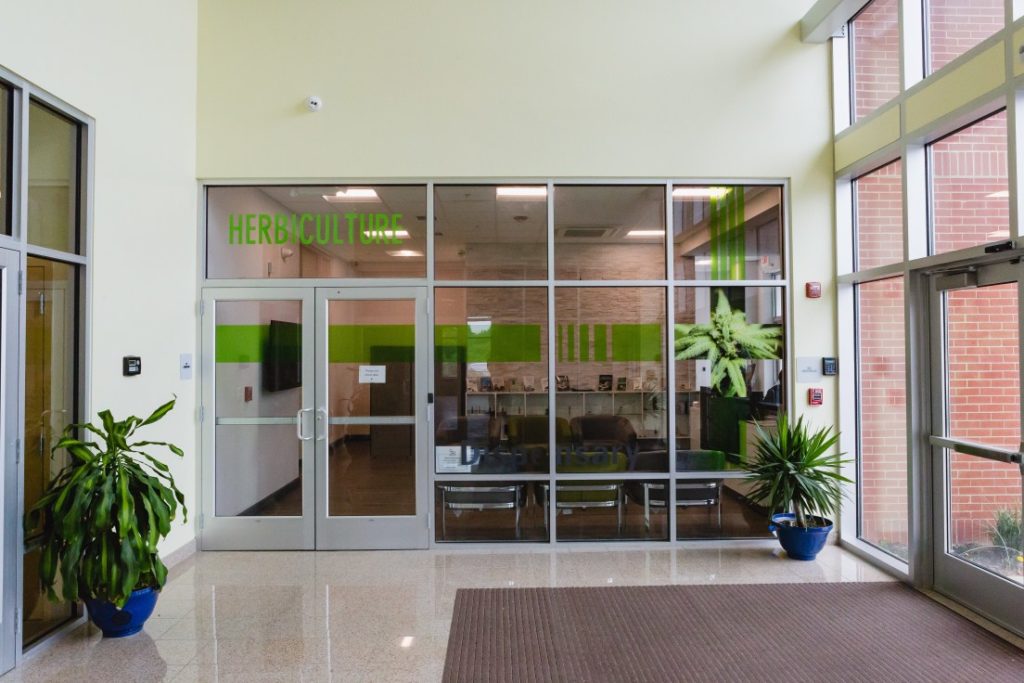
The Herbiculture Dispensary in Maryland is focusing on expansion as well, which allows for an increase in inventory and product storage, and therefore, to accommodate more patients and customers. When asked about Herbiculture’s future goals, Dip explained, “We want to have an impact. Our goal is to focus on growing and expanding.”

If you had one piece of advice for an entrepreneur just starting in the cannabis industry, what would it be?

When asked this question, Pam’s biggest advice is, “Don’t be scared of change. Having a structure for decision-making, I think is really important. You may have thought that certain layers of facts were true, but then something comes out of left field, and you have to make big decisions. You really need to understand what your priorities are, what are you trying to accomplish, and how you can get the information you need to make these decisions.”

Throughout the years, there were many times when Pam and Dip didn’t have all the information they needed. Pam explained the importance of having key information at their disposal and consulting with industry experts for advice to get the necessary information as soon as possible. Pam emphasized, “It’s important to admit that you don’t know everything and there are people out there that do know more than you and just ask for help when you need it!” Pam and Dip had to figure things out by making mistakes and they learned about issues to avoid.

Pam also acknowledged that another key to success at the start of a business is the importance of establishing a structure within a company. She said that it will help any entrepreneur avoid making mistakes that can cause damage to growth. In addition, Pam said, “Be confident that you can adapt when things change. In an industry as rapidly changing as cannabis, it’s important for any entrepreneur to understand that just because you don’t know everything, it doesn’t mean you can’t learn.”

How has COVID impacted your business or the cannabis industry, that you’ve seen?

When the pandemic first started, Pam and Dip were in Canada and had no idea what to expect. At that time, they decided to switch to curb-side pick-up to make sure that they could still serve their patients. As the pandemic proceeded, staffing became a huge issue and they needed to function while being understaffed and make sure that everyone stayed healthy. Dip explained that there was a point during the pandemic where their family in Maryland was running the dispensaries –Venus, Venus’ husband Shreemal, and two others, 10+ hours a day and 7 days a week. They did everything they could to keep up with business without having to limit their patients or shut down the dispensary. It was very important to them to do whatever it took to keep Herbiculture open for the patients that needed this medicine.

Since the start of the pandemic, Pam and Dip have been in Canada and Venus and Shreemal have been operating the Maryland dispensary. This was a challenge as Pam,Dip, and the Herbiculture team had to learn new strategies, implement them quickly, and make decisions very quickly.

There was also a huge demand for cannabis at the beginning of the pandemic because people thought that dispensaries were going to close. It was a challenge for Herbiculture to make sure that they had ample supply to keep up with the demand. At one point, they had wait times that were over an hour, and people were lined-up to stock-up on cannabis. In response, they implemented curbside pick-up for patients and customers so there was less contact, but this meant more regulations that Herbiculture needed to follow.

What do you like to do for fun?

Over the summer, Pam and Dip began paddle boarding, and they love spending time with their dog on the water. Paddleboarding has been a great way to recover from their workdays and reenergize themselves. It is very important to Pam and Dip to give themselves time to recover from work and they enjoy outdoor activities. “We’ve even seen that when we take care of ourselves a little bit more, we are significantly more productive at work. We make much better decisions, and we have a lot more clarity. Sometimes all of that is lost when you’re in it 24/7,” says Dip.

We Can Help.

If you own a cannabis business or are thinking about starting a cannabis business, we’d like to help. As a partnership of highly skilled and seasoned cannabis industry consultants and advisors, Bridge West Consulting is ready to guide you through this exciting and challenging landscape. Feel free to reach out to us anytime to schedule a consultation.

Cannabis Entrepreneur Spotlight: Amy Peckham, Chief Executive Officer of Etain Health

Cannabis Entrepreneur Spotlight

Bridge West Consulting had an opportunity to speak with Amy Peckham, Chief Executive Officer of Etain Health, in New York.  We are proud to spotlight this cannabis entrepreneur!

Amy Peckham is the Chief Executive Officer of Etain, a women-owned and family-owned cannabis company in New York. Amy founded Etain in 2015 with her two daughters, Hillary Peckham, Chief Operations Officer, and Keeley Peckham, Chief Horticultural Officer. Since Etain secured one of the original five medical marijuana licensees in New York six years ago, the company has experienced significant growth and success. Bridge West Consulting met with Amy to learn more about Etain’s unique journey.

How did you get the idea or concept for your business?

The catalyst that propelled Amy, Hillary, and Keeley toward cannabis entrepreneurship was their grandmother’s battle with ALS. Amy’s mother and Hillary and Keeley’s grandmother, Frances “Granny Franny” Keefe, was the matriarch of their family. During Granny Franny’s fight with the disease, Amy and her daughters researched medical marijuana as an alternative treatment. Though it seemed promising on paper, Granny Franny never had the chance to try cannabis. 

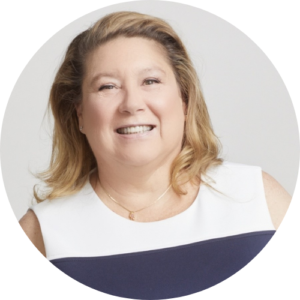
Amy Peckham Headshot
Amy Peckham, Chief Executive Officer, Etain Health

Tragically, Frances lost her battle with ALS in 2012, before medical marijuana was legal in New York.  Amy and her daughters experienced extreme frustration due to the inaccessibility of cannabis that could have helped Franny. 

Amy also explained that as the mother of four children, she spent years taking them to various doctor’s appointments. About ten years after her children were born, her mother-in-law lost her battle with pancreatic cancer. Between taking care of her parents and her children, witnessing the over-prescribing of pharmaceuticals, and failed clinical trials, Amy’s compulsion grew. She knew there had to be other solutions to help patients in need. This series of life experiences and events motivated Amy to start a medical cannabis company where patients could easily access cannabis of the highest quality. 

How did the concept of opening a medical cannabis company come to fruition?

In 2015, obtaining a license in New York was incredibly challenging. The state was offering a total of five licenses, so the competition was fierce. Amy began her research and started preparing in advance of the application process, which largely contributed to her success.

In 2013, Amy closely followed the medical marijuana regulations in California and Colorado. Together with her daughters Hillary and Keeley, Amy spent many nights in front of their computers, researching as much as possible. When the Compassionate Care Act was finally passed in 2014, Amy would not let anything hold them back. Keeley and Hillary graduated from college with business minors — Keeley was a certified Horticultural Therapist, and Hillary had a business certification from The Tuck School of Business at Dartmouth College. “Hillary was the one who pushed me to put my money where my mouth was,” Amy said.

The team brought in the support of Jazmin Hupp, the Founder of Women Grow, who was a tremendous advisor to Amy, Hillary, and Keeley, as they built their license application. Jazmin, along with fellow Women Grow members, assisted in the development of various aspects of their business plan, including selecting the name, “Etain.” Amy shared that Etain is the name of a Gaelic goddess who represents women in a transitional capacity. It’s an homage to their Irish upbringing and a tribute to Granny Franny. Amy explained, “It is also a double entendre of cannabis and our family story that brought us to this name. For instance, we only make products from a female plant, the whole mother plant, which comes from mother earth. Our business grew from our mothers and daughters.” Amy expressed sincere gratitude for their team’s brilliant support, which was instrumental in helping to establish Etain. Today, Amy, Hillary, Keeley, and Etain are proud to support and remained involved with Women Grow.

“Winning a license was wild. Wild and exciting, I don’t think anyone had any nails left,” said Amy. “By the time the final day came, everyone was just sitting in front of their computers refreshing their screens. I couldn’t stand it any longer. To distract myself, I ended up cleaning my dining room vigorously, until the news came through. When it finally did, News 12 was at my front doorstep. I believe Hillary conducted 21 interviews that day.”

What are some of the challenges you’ve faced?

Medical marijuana in New York was not as accessible to patients as Amy expected, and this was a significant challenge. “New York medical professionals haven’t embraced cannabis at the same level as they have in many other states that began medical programs. For example, there are 80,000 doctors in New York, and about 3,500 in the medical marijuana program,” Amy said. It’s a domino effect. Since there are limited doctors, patients have limited support and education about the medicinal benefits of cannabis.

It took Amy, Hillary, and Keeley a lot of effort to forge relationships with doctors. “There’s a lot of resistance from medical practices, and it didn’t happen in an isolated manner,” Amy shared. A great example of this is New York medical school. If there are 80,000 doctors in New York, and only 5,000 of those doctors graduated in the last five years, that means 75,000 doctors did not have the opportunity to learn about medical marijuana in school. “Over the last 20 years, what’s really driven the acceptance of having legalized marijuana is the development of knowledge,” Amy said. She believes that to really make an impact, patients need more education and more knowledge.

When it comes to legalization at the Federal level, Amy thinks it will be a long road. “I think there will be a split from what’s considered consumable adult recreational versus the traditional pharmaceuticals, which is kind of a pity. I got into this industry to get away from pharmaceuticals,” Amy said.

What’s unique about your business?

From writing their cannabis license application with the support of Women Grow, to naming their company, ‘Etain,’ and having a management team that is 70% female, Etain’s commitment to empowering women makes them truly unique. Furthermore, Etain is the only women- and family-owned vertically integrated cannabis company. Amy said, “We’re women-owned, family operated, and 100% New York.” She also added that while their majority-female leadership team is partially by design, the fact that Etain is mostly female is mostly because the company is a comfortable place for women to work. Amy added, “Starting a female owned and operated cannabis business from scratch in an industry dominated by men is no easy feat. In fact, it’s remarkable.”

What marketing tactics have been most successful?

Etain showcases the integration of cannabis in day-to-day life. Amy is happy with being able to discuss cannabis more as a wellness product than anything else. “When you look at a lot of the surveys out there, so many people use cannabis just for sleep relief, not just pain. A lot of people are self-medicating with cannabis, not just socializing with it. Research has also shown that those who use it for social purposes, also use it for sleep, or for back pain. Other’s use is for more serious conditions, like to minimize seizures. It’s a brilliant plant.” Etain’s goal is to provide a form of cannabis for everyone, whatever their need may be.

From day one, Etain rolled out four main product lines: Dolce, Mezzo, Balance and Forte. The concept was to provide patients with the ‘full spectrum.’ Etain is thinking of new products every day, and people frequently share their ‘wish lists.’ In fact, they’re about to expand their facilities to make room for more products. “We started out as the smallest group with the smallest resources. We had a small lab and a hardy crew that cycled through developing one product each day for a long time. We’re very excited to soon have dedicated rooms to make different products, like water-soluble powders and lozenges that require their own environmental controls.”

Do you believe that this is the perfect time for New York to have recreational cannabis?

“It’s time for cannabis to come out from behind the closet doors. Literally. And the basement doors, and all of the places where people trying to cultivate cannabis plants,” Amy said. She said that New York is ready to turn the page.

Amy also expressed concern that consumer safety may be an issue for the New York recreational cannabis market and consumer safety awareness needs to be raised. “You can see it with the CBD market now. Everyone’s trying to put a cap back on it and regulate it now, but it’s already out there, and that’s a difficulty,” Amy said. Consumer safety is paramount at Etain, and the company has implemented best practices in manufacturing and testing for every single batch.

If you had one piece of advice for an entrepreneur just starting out in the cannabis industry, what would it be?

Amy said, “As soon as you get into the plant-touching side of the business, expect the unexpected.” Amy shared that entrepreneurs and cannabis business owners must be prepared and expect the worst to happen, like getting their bank accounts shut down. Owning a plant-touching operation can significantly impact your personal life, too. “It can interrupt life’s benchmarks, like going to buy a home and having your mortgage rejected because your full-time salary comes from a cannabis operation,” Amy explained.

Amy also expressed that the cannabis industry may not be for everyone. For those who are truly passionate and committed, Amy recommends having a team of people who can navigate the industry’s complex challenges, from the penalty tax laws, to cash management intricacies, etc. Amy also added, “research, research, research, know your personal strengths, get a solid team together, and don’t just think it’s a party.”

The cannabis industry is evolving and changing rapidly. Considering the many recent updates, are there any that you would like to mention?

Amy discussed a recent update announced by the Cannabis Control Board on October 5, 2021.  The work that the Office of Cannabis Management (OCM) is undertaking alongside the Department of Health (DOH) will expand the NY Medical Marijuana Program as it remains within DOH. Effective immediately, these enhancements to the program include:

  • Patients supply per visit increased from 30 to 60 days;
  • $50 patient and caregiver registration fee removed; 
  • Types of practitioners who can certify patients for the medical use of marijuana has been expanded and; 
  • Whole flower has been approved as a form of medical cannabis. 

What do you like to do for fun?

Outside of operating a successful female-owned vertically integrated cannabis business, Amy enjoys spending time with her grandchildren, and watching ‘The Walking Dead’ on Sunday evenings.

We Can Help.

If you own a cannabis business or are thinking about starting a cannabis business, we’d like to help. As a partnership of highly skilled and seasoned cannabis industry consultants and advisors, Bridge West Consulting is ready to guide you through this exciting and challenging landscape. Feel free to reach out to us anytime to schedule a consultation.